Books › The Satanic Verses
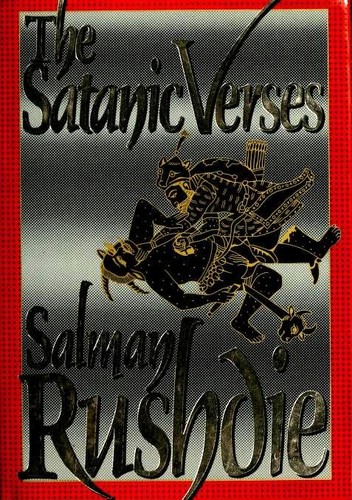
The Satanic Verses
715 pages
A kaleidoscopic, maximalist fever dream that wrestles with faith, migration, and the chaotic collision of cultures.
What it feels like
Reading this novel feels like stepping into a brilliant, chaotic fever dream where the boundaries between the sacred and the profane constantly dissolve. It is a sprawling, maximalist experience that demands your full attention, rewarding patience with exuberant wordplay and dizzying philosophical depth. The narrative meanders through hallucinatory visions, historical reimaginings, and gritty contemporary realities, creating a mood that is at once deeply unsettling and darkly comic. The prose is a torrential downpour of ideas, blending myth, pop culture, and theological inquiry into a dense polyphonic symphony. It is a book for the intellectually adventurous reader who delights in postmodern complexity, magical realism, and a profound, irreverent exploration of the immigrant soul caught between two worlds.
- Mood
- surreal
- hallucinatory
- chaotic
- feverish
- Tone
- satirical
- irreverent
- erudite
- playful
- provocative
- Pace
- meandering
- Themes
- the immigrant experience · cultural alienation · faith and doubt · metamorphosis · post-colonial identity
- The writing
- Exuberant, maximalist, and densely layered with wordplay, polyphonic voices, and cultural allusions.
- The arc
- Moves from chaotic dislocation and surreal transformation toward a complex, bittersweet reckoning with identity and mortality.
- Who it's for
- Readers who love intellectually demanding, sprawling magical realism that wrestles with history, religion, and identity through a postmodern lens.
Content notes
- religious trauma
- racism and xenophobia
- suicide
- violence
About the book
The Satanic Verses is Salman Rushdie's fourth novel, first published September 26, 1988 and inspired in part by the life of the Islamic prophet Muhammad. As with his previous books, Rushdie used magical realism and relied on contemporary events and people to create his characters. The title refers to the satanic verses, a group of Quranic verses that refer to three pagan Meccan goddesses: Allāt, Uzza, and Manāt. The part of the story that deals with the "satanic verses" was based on accounts from the historians al-Waqidi and al-Tabari.
In the United Kingdom, The Satanic Verses received positive reviews, was a 1988 Booker Prize finalist (losing to Peter Carey's Oscar and Lucinda) and won the 1988 Whitbread Award for novel of the year.
Description from Open Library.
Books like The Satanic Verses
See why they match Midnight's ChildrenSalman RushdieA kaleidoscopic, maximalist fever dream where personal destiny and national history collide in a riot of sensory details.
 Two years eight months and twenty-eight nightsSalman RushdieA lush, modern fairytale that pits reason against unreason in a playful, magical battle for the soul of the world.
 The God of Small ThingsArundhati RoyA lush, devastating plunge into a humid world where history and forbidden love collide to shatter a family.
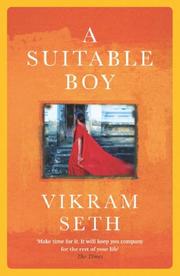 A Suitable BoyVikram SethA sprawling, deeply affectionate immersion into the bustling heart of a newly independent nation and the quiet pragmatism of the human heart.
 MuhammadKaren ArmstrongA deeply empathetic and historically grounded journey into the life of a man who reshaped the spiritual landscape of the world.
 In a Free StateV. S. NaipaulA sobering, award-winning exploration of displacement and survival across fractured political landscapes.