Books › Misquoting Jesus

Misquoting Jesus
First published 2005 · 303 pages
A fascinating, accessible detective story that peels back the layers of history to reveal the deeply human fingerprints left on a sacred text.
What it feels like
Reading this book feels like sitting in on a captivating university lecture given by a professor who is as deeply personal as he is rigorously academic. It moves at a steady, engaging pace, transforming the dry science of textual criticism into a historical detective story. The mood is revelatory and intellectually stimulating, tinged with the quiet melancholy of the author's own loss of fundamentalist certainty. The prose is remarkably clear, stripping away academic jargon to make complex manuscript history accessible to anyone. It is a perfect read for those in the midst of religious deconstruction, history enthusiasts, and curious skeptics who appreciate a meticulous, empathetic exploration of how human fallibility shapes the divine.
- Mood
- intellectually stimulating
- revelatory
- contemplative
- inquisitive
- Tone
- scholarly
- accessible
- provocative
- personal
- earnest
- Pace
- steady
- Themes
- evolution of belief · historical memory · human fallibility · search for truth · deconstruction of dogma
- The writing
- Clear, conversational, and engaging, translating dense academic textual criticism into a compelling historical detective story.
- The arc
- Moves from a foundation of unquestioned certainty through a meticulous, eye-opening investigation, arriving at a nuanced acceptance of historical ambiguity.
- Who it's for
- Curious skeptics, former evangelicals deconstructing their faith, and history buffs fascinated by the human origins of sacred texts.
Content notes
- religious deconstruction
- challenges to faith
About the book
For almost 1,500 years, the New Testament manuscripts were copied by hand — — and mistakes and intentional changes abound in the competing manuscript versions. Religious and biblical scholar Bart Ehrman makes the provocative case that many of our widely held beliefs concerning the divinity of Jesus, the Trinity, and the divine origins of the Bible itself are the results of both intentional and accidental alterations by scribes. In this compelling and fascinating book, Ehrman shows where and why changes were made in our earliest surviving manuscripts, explaining for the first time how the many variations of our cherished biblical stories came to be, and why only certain versions of the stories qualify for publication in the Bibles we read today. Ehrman frames his account with personal reflections on how his study of the Greek manuscripts made him abandon his once ultra — conservative views of the Bible.
Description from Open Library.
Books like Misquoting Jesus
See why they match Jesus, InterruptedBart D. EhrmanA conversational, paradigm-shifting peek behind the curtain of biblical scholarship that systematically dismantles Sunday school certainties.
 Did Jesus Exist?Bart D. EhrmanA rigorous, methodical journey through ancient evidence to uncover the historical reality behind a monumental figure.
 Jesus for the Non-ReligiousJohn Shelby SpongA provocative and earnest dismantling of religious superstition to uncover a deeply human, revolutionary spiritual figure.
 The origin of SatanElaine PagelsA fascinating, sobering archaeological dig into the human psyche and the theological origins of 'us versus them'.
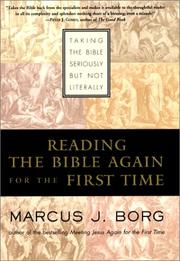 Reading the Bible Again For the First TimeMarcus J. BorgA gentle, intellectually rigorous invitation to rediscover sacred texts through the lens of metaphor and historical context rather than rigid literalism.
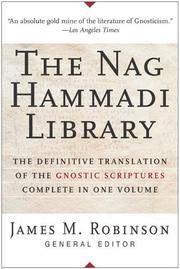 The Nag Hammadi LibraryJames McConkey RobinsonAn immersive dive into the varied, esoteric scriptures of ancient Gnosticism.