Books › Mistakes Were Made (But Not by Me)

Mistakes Were Made (But Not by Me)
304 pages
A fascinating, slightly uncomfortable mirror held up to the human mind's endless capacity for self-deception.
What it feels like
Reading this book feels like having a polite but incredibly sharp detective gently dismantle your most cherished illusions about your own objectivity. The pace is brisk and engaging, carrying you through a fascinating gallery of human stubbornness, from squabbling couples to entrenched politicians. The mood is deeply reflective and occasionally a bit unsettling, as the authors expertly corner you into recognizing your own cognitive dissonance and mental gymnastics. Yet, the tone remains empathetic rather than scolding, making the bitter pill of self-awareness surprisingly easy to swallow. It is an intellectually stimulating journey that strips away the comforting lies we tell ourselves, leaving behind a profound sense of clarity and a vital toolkit for genuine intellectual humility.
- Mood
- eye-opening
- reflective
- unsettling
- intellectually stimulating
- Tone
- analytical
- empathetic
- wry
- authoritative
- illuminating
- Pace
- brisk
- Themes
- cognitive dissonance · self-deception · memory distortion · intellectual humility · the anatomy of conflict
- The writing
- Clear, accessible, and engaging, blending rigorous scientific explanation with relatable, often humorous anecdotes.
- The arc
- Moves from a comfortable illusion of objectivity to an uncomfortable realization of personal bias, ultimately landing on a sense of empowering self-awareness.
- Who it's for
- Curious minds who want to understand human behavior, improve their relationships, and are willing to confront their own psychological blind spots.
Content notes
- wrongful convictions
- relationship breakdown
- prejudice
- political corruption
About the book
At some point we all make a bad decision, do something that harms another person, or cling to an outdated belief. When we do, we strive to reduce the cognitive dissonance that results from feeling that we, who are smart, moral, and right, just did something that was dumb, immoral, or wrong.
Whether the consequences are trivial or tragic, it is difficult, and for some people impossible, to say, “I made a terrible mistake.” The higher the stakes—emotional, financial, moral—the greater that difficulty. Self-justification, the hardwired mechanism that blinds us to the possibility that we were wrong, has benefits: It lets us sleep at night and keeps us from torturing ourselves with regrets. But it can also block our ability to see our faults and errors. It legitimizes prejudice and corruption, distorts memory, and generates anger and rifts. It can keep prosecutors from admitting they put an innocent person in prison and from correcting that injustice, and it can keep politicians unable to change disastrous policies that cost billions of dollars and thousands of lives. In our private lives, it can be the death of love.
Mistakes Were Made (But Not by Me) examines:
Why we have so much trouble accepting information that conflicts with a belief we “know for sure” is right. - The brain’s “blind spots” that make us unable to see our own prejudices, biases, corrupting influences, and hypocrisies. - Why our memories tell more about what we believe now than what really happened then. - How couples can break out of the spiral of blame and defensiveness. - The evil that men and women can do in the name of God, country, and justice -- and why they don’t see their actions as evil at all. - Why random acts of kindness create a “virtuous cycle” that perpetuates itself.
Most of all, this book explains how all of us can learn to own up and let go of the need to be right, and learn from the times we are wrong—so that we don't keep making the same mistakes over and over again.
Description from Open Library.
Books like Mistakes Were Made (But Not by Me)
See why they match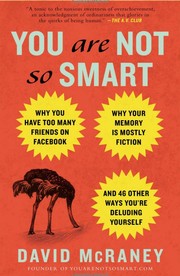 You are not so smartDavid McRaneyA playful, humbling tour through the cognitive biases that secretly run your life, proving that you are delightfully, predictably irrational.
 You are now less dumbDavid McRaneyA witty, humbling tour through the funhouse mirror of your own mind that proves you aren't nearly as rational as you think.
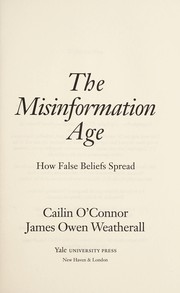 The misinformation ageCailin O'ConnorAn analytical deep dive into the social machinery that allows false beliefs to thrive in the modern world.
 The Intelligence TrapDavid RobsonA humbling and illuminating exploration of why brilliant minds make foolish mistakes, and how to cultivate the intellectual humility needed to avoid them.
 SwayOri BrafmanA fascinating, anecdote-rich exploration of the invisible psychological currents that hijack our rational decision-making.
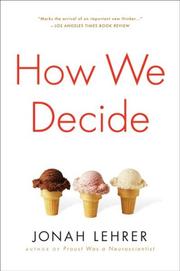 How we decideJonah LehrerA brisk, anecdote-rich tour through the hidden neurological gears that drive our everyday choices.