Books › Mutual Aid

Mutual Aid
A Factor of Evolution
First published 1987 · 752 pages
A scientifically grounded, deeply hopeful argument that cooperation, not cutthroat competition, is the true engine of survival.
What it feels like
Reading this foundational text feels like taking a deep, restorative breath after being suffocated by the cynicism of modern hyper-competitive narratives. The pace is steady and methodical, guiding you through dense but accessible observations of the natural world and human history with an earnest, persuasive tone. It builds an atmosphere of grounded optimism, replacing the dread of cutthroat survivalism with a profound sense of interconnectedness and solidarity. The prose is clear and surprisingly warm for a nineteenth-century scientific treatise, blending empirical rigor with philosophical heart. It is a deeply comforting and intellectually stimulating read for anyone yearning for a scientifically backed, hopeful alternative to the bleakness of social Darwinism, leaving you with a renewed faith in the power of community.
- Mood
- intellectual
- optimistic
- grounded
- expansive
- Tone
- earnest
- analytical
- hopeful
- persuasive
- Pace
- steady
- Themes
- the power of cooperation · challenging the status quo · interconnectedness of life · solidarity over competition · natural harmony
- The writing
- Clear, methodical, and surprisingly accessible for nineteenth-century scientific writing, blending empirical observation with philosophical warmth.
- The arc
- Moves from a critical examination of harsh competitive theories to a profound, uplifting realization of inherent solidarity in nature and humanity.
- Who it's for
- Readers seeking hopeful, scientifically grounded alternatives to hyper-capitalist worldviews and those fascinated by the intersection of biology and social philosophy.
Content notes
- animal death
- discussions of poverty
- historical state violence
About the book
Mutual Aid: A Factor of Evolution is a 1902 collection of anthropological essays by Russian naturalist and anarchist philosopher Peter Kropotkin. The essays, initially published in the English periodical The Nineteenth Century between 1890 and 1896, explore the role of mutually-beneficial cooperation and reciprocity (or "mutual aid") in the animal kingdom and human societies both past and present. It is an argument against theories of social Darwinism that emphasize competition and survival of the fittest, and against the romantic depictions by writers such as Jean-Jacques Rousseau, who thought that cooperation was motivated by universal love. Instead Kropotkin argues that mutual aid has pragmatic advantages for the survival of human and animal communities and, along with the conscience, has been promoted through natural selection.
Mutual Aid is considered a fundamental text in anarchist communism. It presents a scientific basis for communism as an alternative to the historical materialism of the Marxists. Kropotkin considers the importance of mutual aid for prosperity and survival in the animal kingdom, in indigenous and early European societies, in the Medieval free cities (especially through the guilds), and in the late 19th century village, labor movement, and poor folk. He criticizes the State for destroying historically important mutual aid institutions, particularly through the imposition of private property.
Many biologists also consider it an important catalyst in the scientific study of cooperation.
Description from Open Library.
Books like Mutual Aid
See why they match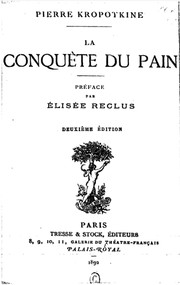 La conquête du painPeter KropotkinA passionate, foundational blueprint for a world built on mutual care rather than exploitation.
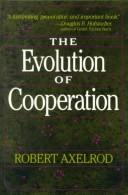 The evolution of cooperationRobert AxelrodA lucid, intellectually thrilling exploration that uses mathematics to prove why being nice is actually a winning strategy.
 The Ecology of FreedomMurray BookchinA sweeping, interdisciplinary manifesto that traces the roots of human domination and charts a visionary path toward ecological liberation.
 Days of War, Nights of LoveCrimethink Workers CollectiveA defiant and impassioned manifesto that challenges the reader to reject mass-consumerism and embrace radical personal freedom.
 The Bonobo and the AtheistHenry Cabot Lodge (Jr.)A warm, scientifically grounded exploration that finds the roots of human goodness not in the heavens, but in the earth and our primate cousins.
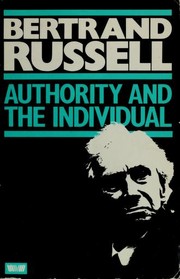 Authority and the IndividualBertrand RussellA lucid, conversational exploration of the eternal tug-of-war between societal order and human freedom.