Books › La conquête du pain

La conquête du pain
First published 1968 · 5235 pages
A passionate, foundational blueprint for a world built on mutual care rather than exploitation.
What it feels like
Reading this foundational political text feels less like studying dry theory and more like sitting by a fire with a deeply compassionate, fiercely intelligent friend who believes a better world is entirely possible. The pace is steady and methodical, yet propelled by an earnest, revolutionary optimism that is highly contagious. It immerses the reader in a mood of communal hope, systematically dismantling the inevitability of capitalism while painting a vivid, pragmatic picture of mutual aid and collective well-being. The prose is surprisingly warm and accessible, avoiding dense academic jargon in favor of clear, persuasive rhetoric. It will deeply resonate with idealists, community organizers, and anyone yearning for a hopeful, actionable vision of a society rooted in human dignity and shared abundance.
- Mood
- hopeful
- revolutionary
- intellectually stimulating
- communal
- Tone
- earnest
- passionate
- analytical
- optimistic
- persuasive
- Pace
- steady
- Themes
- mutual aid · utopian possibility · collective well-being · dignity of labor · dismantling capitalism
- The writing
- Accessible and surprisingly warm, blending empirical observation with visionary, persuasive rhetoric.
- The arc
- Moves from a searing, righteous frustration with systemic inequality to a deeply hopeful, pragmatic vision of a cooperative future.
- Who it's for
- Idealists, organizers, and political thinkers looking for a foundational, optimistic text on anarchism and community care.
Content notes
- discussions of poverty
- systemic oppression
- class warfare
- starvation
About the book
The Conquest of Bread (French: La Conquête du Pain; Russian: Хлѣбъ и воля, tr. Khleb i volja, "Bread and Freedom"; Хлеб и воля in contemporary spelling), also known colloquially as The Bread Book, is an 1892 book by the Russian anarcho-communist Peter Kropotkin. Originally written in French, it first appeared as a series of articles in the anarchist journal Le Révolté. It was first published in Paris with a preface by Élisée Reclus, who also suggested the title. Between 1892 and 1894, it was serialized in part in the London journal Freedom, of which Kropotkin was a co-founder.
In the work, Kropotkin points out what he considers to be the defects of the economic systems of feudalism and capitalism and why he believes they thrive on and maintain poverty and scarcity. He goes on to propose a more decentralized economic system based on mutual aid and voluntary cooperation, asserting that the tendencies for this kind of organization already exist, both in evolution and in human society.
The Conquest of Bread has become a classic of political anarchist literature. It was heavily influential on both the Spanish Civil War and the Occupy movement.
Description from Open Library.
Books like La conquête du pain
See why they match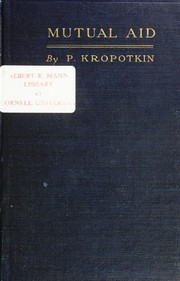 Mutual AidPyotr KropotkinA scientifically grounded, deeply hopeful argument that cooperation, not cutthroat competition, is the true engine of survival.
 The Ecology of FreedomMurray BookchinA sweeping, interdisciplinary manifesto that traces the roots of human domination and charts a visionary path toward ecological liberation.
 On AnarchismNoam ChomskyA sharp, accessible, and surprisingly optimistic exploration of anti-authoritarian thought that challenges readers to rethink the structures of power.
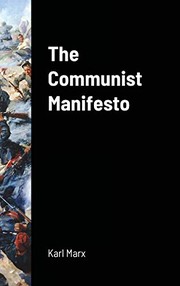 Manifest der Kommunistischen ParteiKarl Marx and Friedrich EngelsA fiery, rhetorically charged pamphlet that diagnoses the engine of history and demands a radical reimagining of society.
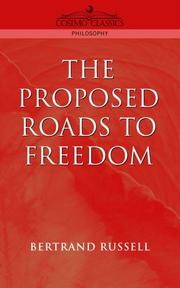 Roads to FreedomBertrand RussellA lucid, idealistic blueprint for a more equitable society that balances intellectual rigor with a deep yearning for human flourishing.
 The Soul of Man Under SocialismOscar WildeA sparkling, paradoxical essay that dismantles the nobility of suffering and dreams of a world where art and leisure belong to everyone.