Books › Mutual Aid
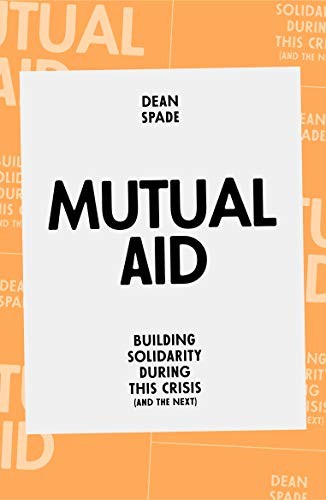
Mutual Aid
158 pages
A clear-eyed, galvanizing handbook for surviving systemic collapse through radical, everyday solidarity.
What it feels like
Reading this book feels like sitting in a community center with a trusted organizer who is handing you the tools to build a better world. It is a brisk, deeply pragmatic read that cuts through the despair of modern crises with a sharp focus on collective survival. The mood is galvanizing and grounded, replacing abstract political theory with urgent, actionable advice on how to care for one another when systems fail. The prose is accessible and direct, stripping away academic jargon to speak directly to the heart of community organizing. Moving from a stark acknowledgment of systemic violence to an empowering vision of radical solidarity, this is an essential, energizing text for anyone feeling overwhelmed by the state of the world and looking for concrete ways to take action alongside their neighbors.
- Mood
- galvanizing
- grounded
- clear-eyed
- hopeful
- Tone
- pragmatic
- urgent
- compassionate
- instructive
- earnest
- Pace
- brisk
- Themes
- radical solidarity · community care · collective survival · grassroots power · dismantling systemic oppression
- The writing
- Accessible, direct, and sharply analytical, prioritizing clarity and utility over academic jargon.
- The arc
- Moves from a stark, validating acknowledgment of systemic failure to an empowering, practical vision of collective action and care.
- Who it's for
- Activists, community organizers, and anyone feeling overwhelmed by systemic crises who wants concrete ways to build systems of care.
Content notes
- systemic violence
- mass incarceration
- climate anxiety
- poverty
About the book
Around the world, people are faced with crisis after crisis, from the COVID-19 pandemic and climate change-induced fires, floods, and storms to the ongoing horrors of mass incarceration, brutal immigration enforcement, endemic gender violence, and severe wealth inequality. As governments fail to respond to—or actively engineer—each crisis, ordinary people are finding bold and innovative ways to share resources and support vulnerable members of their communities. This survival work, when done alongside social movement demands for transformative change, is called mutual aid.
This book is about mutual aid: why it is so important, what it looks like, and how to do it. It provides a grassroots theory of mutual aid, describes how mutual aid has been a part of all larger, powerful social movements, and offers concrete tools for organizing, such as how to work in groups, decision-making process, how to prevent and address conflict, and how to deal with burnout.
Mutual aid isn’t charity: it’s a form of organizing where people get to create new systems of care and generosity so we can survive.
Description from Open Library.
Books like Mutual Aid
See why they match Hope in the DarkRebecca SolnitA luminous, intellectual lifeline for the politically exhausted, reframing uncertainty as the very soil where change takes root.
 How we get freeKeeanga-Yamahtta TaylorA galvanizing reflection on the roots of radical Black feminism and its enduring power in modern struggles.
 This Changes EverythingNaomi KleinA fiercely urgent wake-up call that transforms climate dread into a demand for radical systemic change.
 Care WorkLeah Lakshmi Piepzna-SamarasinhaA fierce, tender manifesto that reimagines accessibility not as a logistical chore, but as an act of profound collective love.
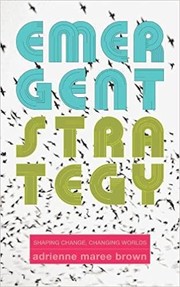 Emergent Strategyadrienne maree brownA visionary, deeply grounded toolkit for navigating a world in flux by learning from the resilient, interconnected patterns of the natural world.
 How to Be an AntiracistIbram X. KendiA deeply personal and intellectually rigorous invitation to unlearn systemic biases and actively build a more equitable world.