Books › Nested transactions
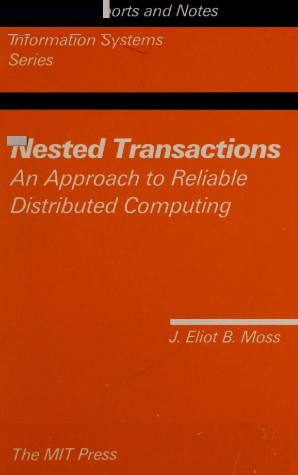
Nested transactions
160 pages
A rigorous, foundational exploration of how to build resilient software systems that gracefully handle the chaos of distributed failures.
What it feels like
Reading this foundational computer science text feels like stepping into a masterclass on architectural elegance and system resilience. The pace is steady and deliberate, demanding the reader's full intellectual engagement as it builds complex theoretical frameworks from the ground up. There is a distinct cerebral satisfaction in following the rigorous, objective prose as it untangles the chaotic realities of distributed computing, deadlocks, concurrency, and system failures, and replaces them with the clean, logical structure of nested transactions. The mood is highly focused and analytical, devoid of fluff, offering a deep, quiet thrill for those who appreciate elegant algorithms. It is a deeply rewarding experience for database architects and distributed systems engineers who crave a foundational understanding of how to make software unbreakable.
- Mood
- cerebral
- focused
- intellectual
- Tone
- rigorous
- analytical
- authoritative
- objective
- Pace
- steady
- Themes
- system resilience · managing complexity · architectural elegance · fault tolerance
- The writing
- Precise, formal, and mathematically rigorous, prioritizing absolute clarity and logical progression.
- The arc
- Moves from the daunting chaos of distributed system failures to the deep intellectual satisfaction of a structured, elegant solution.
- Who it's for
- Computer science researchers and distributed systems engineers who crave foundational, theoretical understanding of database architecture.
About the book
The revolution in the use of distributed computing systems makes their reliability an important concern. While it is generally understood how to connect hardware so that most components can continue to work when other fail, connecting reliable software remains a problem. This book shows how to program a system so that the software continues to work in the face of a variety of failures in parts of the system. It introduces the concept of nested transactions along with the techniques for implementation, algorithms for concurrency control, recovery, distributed commitment, and deadlock detection and avoidance. Provides an exposition of a number of techniques used in reliability and concurrency control from current literature.
Description from Open Library.
Books like Nested transactions
See why they match Designing Data-Intensive ApplicationsMartin KleppmannA clarifying journey through the chaotic landscape of modern software architecture that replaces hype with deep, foundational understanding.
 Parallel algorithms for regular architecturesRuss MillerA rigorous, cerebral deep dive into the mathematical elegance and structural logic of parallel computing.
 Database system conceptsAbraham SilberschatzA rigorous, foundational journey into the architecture of information that transforms abstract data into structured logic.
 A first course in database systemsJeffrey D. UllmanA rigorous, foundational dive into the architecture and management of relational data.
 Fundamentals of database systemsRamez ElmasriA rigorous, foundational journey into the architecture of information storage and retrieval.
 Operating System ConceptsAbraham SilberschatzA rigorous, foundational journey into the invisible architecture that powers modern computing.