Books › Những thiên đường mù
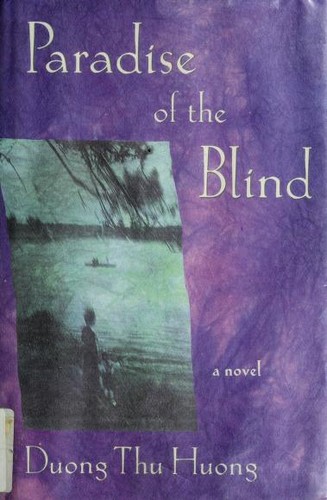
Những thiên đường mù
tiẻ̂u thuyé̂t
First published 1988 · 284 pages
A lush, sorrowful exploration of duty, memory, and the heavy price of individual freedom in the shadow of political upheaval.
What it feels like
Reading this novel feels like sitting in a humid, shadow-drenched room where the intoxicating smells of traditional street food mingle with the heavy, unspoken grief of generations. The narrative unfolds at a steady, reflective pace, weaving between the bleak realities of a fractured society and the vivid, almost overwhelming sensory memories of childhood. It is a deeply melancholic and unflinching experience, immersing the reader in an atmosphere that is both beautiful and suffocating. The prose is intensely tactile, using the preparation and sharing of meals to map the complex emotional terrain of duty, sacrifice, and resentment. It will deeply resonate with readers who gravitate toward lush, character-driven stories that explore the crushing weight of familial expectation and the quiet, painful courage required to finally walk away.
- Mood
- sensory-rich
- sorrowful
- oppressive
- nostalgic
- Tone
- melancholic
- unflinching
- poignant
- reflective
- Pace
- steady
- Themes
- burden of filial piety · trauma of political ideology · female sacrifice · sensory memory · search for individual identity
- The writing
- Lyrical and intensely sensory, the writing grounds sweeping political tragedies in the vivid, tactile details of food, weather, and daily survival.
- The arc
- The protagonist moves from a state of suffocating familial obligation and inherited trauma toward a painful but necessary liberation.
- Who it's for
- Readers who appreciate lush, emotionally heavy historical fiction that explores the intersection of political upheaval and intimate family dynamics.
Content notes
- poverty
- starvation
- political persecution
- emotional abuse
- misogyny
About the book
"Paradise of the Blind is an exquisite portrait of three Vietnamese women struggling to survive in a society where subservience to men is expected and Communist corruption crushes every dream. Through the eyes of Hang, a young woman in her twenties who has grown up amidst the slums and intermittent beauty of Hanoi, we come to know the tragedy of her family as land reform rips apart their village. When her uncle Chinh‘s political loyalties replace family devotion, Hang is torn between her mother‘s appalling self–sacrifice and the bitterness of her aunt who can avenge but not forgive. Only by freeing herself from the past will Hang be able to find dignity –– and a future." (`Quoted from book page on Amazon.`)
Description from Open Library.
Books like Những thiên đường mù
See why they match The land I lostHuynh Quang NhuongA bittersweet, sun-drenched window into a vanished childhood world, where the jungle meets the village and memories are steeped in reverence.
 The SympathizerViet Thanh NguyenA darkly brilliant, fiercely ironic confession of a man caught between two worlds, tearing apart the myths of war and identity.
 An Anthology of Vietnamese PoemsThong, Huynh SanhA sweeping, deeply felt journey through a millennium of voices, capturing the soul of a nation through its enduring verses.
 When heaven and earth changed placesLe Ly Hayslip and Jay WurtsA deeply personal dual-timeline memoir that captures the harrowing reality of being caught in a war and the complex emotional landscape of returning to a fractured homeland.
 The Lotus SeedSherry GarlandA tender, reflective journey about carrying the memory of a lost homeland in the palm of your hand.
 Thân phận của tình yêuBao NinhA hallucinatory, deeply poetic descent into the fragmented memories of a soldier trying to write his way through the ghosts of his past.