Books › Nightmare Abbey

Nightmare Abbey
First published 1818 · 430 pages
A sharp, theatrical romp that gleefully skewers the brooding melancholy and intellectual posturing of the Romantic era.
What it feels like
Reading this novella feels like attending a delightfully unhinged dinner party where every guest is a caricature of a famous literary figure. The pace is brisk and theatrical, driven almost entirely by sharp, witty dialogue rather than action. You are immersed in an atmosphere of absurd melodrama, where gothic gloom is played strictly for laughs and philosophical debates spiral into pure farce. The prose is stylized and clever, demanding a reader who appreciates dry British satire and literary inside jokes. It is a perfect palate cleanser for anyone who has ever rolled their eyes at the self-serious brooding of Romantic poets, offering a joyful, sharp skewering of intellectual posturing that remains surprisingly fresh and funny centuries later.
- Mood
- absurd
- melodramatic
- gothic-lite
- intellectual
- Tone
- satirical
- wry
- theatrical
- mocking
- witty
- Pace
- brisk
- Themes
- intellectual posturing · the absurdity of melancholy · romantic idealism · philosophical debates
- The writing
- The prose is sharp, highly stylized, and heavily reliant on theatrical dialogue packed with philosophical jargon and literary inside jokes.
- The arc
- The journey begins in a swamp of self-indulgent gloom and accelerates into a delightfully absurd farce before landing on a note of pragmatic cheer.
- Who it's for
- Readers who delight in classic British satire and love seeing brooding, self-serious intellectuals taken down a peg.
Content notes
- satirical depictions of depression
About the book
Nightmare Abbey, a venerable family-mansion, in a highly picturesque state of semi-dilapidation, pleasantly situated on a strip of dry land between the sea and the fens, at the verge of the county of Lincoln, had the honour to be the seat of Christopher Glowry, Esquire. This gentleman was naturally of an atrabilarious temperament, and much troubled with those phantoms of indigestion which are commonly called blue devils.
Description from Open Library.
Books like Nightmare Abbey
See why they match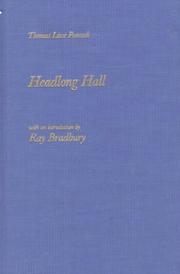 Headlong HallThomas Love PeacockA chaotic, wine-soaked country house weekend where eccentric intellectuals argue themselves into delightful absurdity.
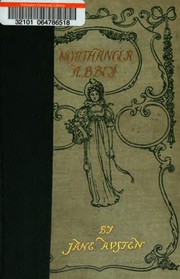 Northanger AbbeyJane AustenA delightfully sharp and affectionate send-up of Gothic melodrama wrapped in a sweet coming-of-age romance.
 GormenghastMervyn PeakeA descent into a sprawling, decaying labyrinth where ancient rituals suffocate the living and ambition breeds monstrous consequences.
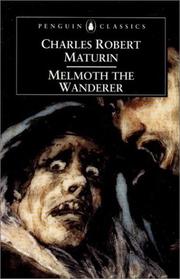 Melmoth the WandererCharles Robert MaturinA dread-soaked gothic mosaic of suffering, satanic bargains, and the crushing weight of immortality.
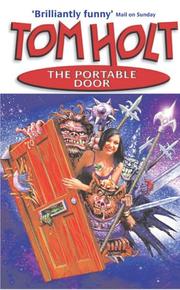 The Portable DoorTom HoltA delightfully absurd collision of soul-crushing corporate bureaucracy and chaotic magical realism.
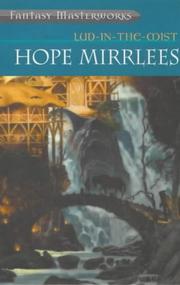 Lud-in-the-mistHope MirrleesA beautifully melancholic fairy tale about the quiet terror and absolute necessity of letting a little wildness into a perfectly ordered life.