Books › Notes on the state of Virginia

Notes on the state of Virginia
436 pages
A foundational, scholarly exploration of early America's natural landscape, political ideals, and deep-seated contradictions.
What it feels like
Reading this foundational text feels like stepping into the intellectual workshop of early America. The pace is steady and deliberate, guiding the reader through a meticulous blend of scientific discourse, natural history, and political philosophy. The mood is deeply scholarly yet tinged with the mythic weight of a nation trying to define its own identity and ideals of freedom. The prose is clear and flexible, carrying the authoritative weight of its author while grappling with the profound contradictions of the era, particularly regarding slavery and the treatment of Native Americans. It is a contemplative, analytical experience that will captivate readers drawn to the complex, foundational roots of American political thought and social history.
- Mood
- contemplative
- scholarly
- mythic
- Tone
- analytical
- philosophical
- observational
- authoritative
- Pace
- steady
- Themes
- the idea of freedom · national identity · natural history · social and political history · the American self-image
- The writing
- Clear, flexible, and genius-infused, echoing the foundational rhetoric of early American statecraft.
- The arc
- A journey from scientific observation to a philosophical examination of a newly formed nation's identity and contradictions.
- Who it's for
- Readers fascinated by early American history, political philosophy, and the foundational myths of the United States.
Content notes
- slavery
- racism
- discussions of degeneracy
About the book
A request in 1780 by the French legation to the United States to learn more about the newly formed thirteen states of America stimulated in Jefferson, as he later described it, a "mysterious obligation for making me much better acquainted with my own country than I ever was before." Written during his first term as governor of Virginia, Notes on the State of Virginia is at once a scientific discourse, an attempt to define America, and an examination of the idea of freedom.
With the same genius and clear, flexible prose style that informs the Declaration of Independence, Jefferson chronicles Virginia's natural, social, and political history.
In his introduction to this annotated edition, which discusses the work's origins and composition, Frank Shuffelton focuses particularly on Jefferson's response to contemporary scientific writings on "New World degeneracy," his differing treatment of blacks and Native Americans, and his influential role in creating a mythicized American self-image.
Description from Open Library.
Books like Notes on the state of Virginia
See why they match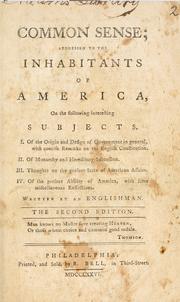 Common SenseThomas PaineA fiery, plainspoken match struck in the dark of political complacency, designed to ignite a revolution.
 Declaration of IndependenceAshbrook CenterAn accessible, visually supported encounter with the foundational rhetoric of American government.
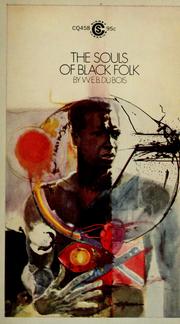 The Souls of Black FolkMcgraw-Hill-Glencoe StaffA soaring, poetic examination of the American racial divide that feels both like a rigorous sociological treatise and a profound spiritual hymn.
 The Age of ReasonThomas PaineA fiery, unapologetic dismantling of religious dogma fueled by the unyielding light of human reason.
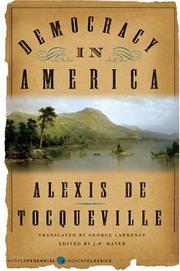 De la démocratie en AmériqueAlexis de TocquevilleA sweeping, prescient journey into the heart of a young nation and the philosophical mechanics of equality.
 From slavery to freedomJohn Hope FranklinA monumental and deeply dignified exploration of resilience, tracing the long and ongoing struggle for Black liberation and cultural triumph.