Books › The Age of Reason

The Age of Reason
First published 1986 · 224 pages
A fiery, unapologetic dismantling of religious dogma fueled by the unyielding light of human reason.
What it feels like
Reading this foundational Enlightenment text feels like sitting across from a brilliant, fiercely impassioned debater who refuses to let you settle for inherited truths. The prose is remarkably direct and unadorned, stripping away centuries of theological mysticism to champion the raw power of human intellect. It moves at a steady, deliberate pace, building a systematic and rebellious argument that challenges the very foundations of institutional religion. The mood is austere yet electric with defiance, inviting the reader into a space of rigorous intellectual freedom. It will deeply satisfy readers who crave sharp, polemical philosophy and those who find profound inspiration in the historical fight for rationalism and the courage to question absolute authority.
- Mood
- intellectual
- rebellious
- contemplative
- austere
- Tone
- polemical
- earnest
- defiant
- rational
- impassioned
- Pace
- steady
- Themes
- search for truth · challenging authority · power of human reason · dismantling dogma · intellectual freedom
- The writing
- Direct, unadorned, and fiercely persuasive, utilizing sharp logic and rhetorical flair.
- The arc
- Moves from a foundational assertion of personal belief to a fiery, systematic deconstruction of institutional dogma.
- Who it's for
- Readers who enjoy foundational philosophical texts, Enlightenment thinking, and passionate arguments against institutional religion.
Content notes
- religious critique
- anti-clericalism
About the book
IT has been my intention, for several years past, to publish my thoughts upon religion; I am well aware of the difficulties that attend the subject, and from that consideration, had reserved it to a more advanced period of life.
Description from Open Library.
Books like The Age of Reason
See why they match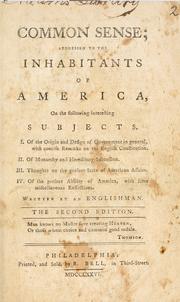 Common SenseThomas PaineA fiery, plainspoken match struck in the dark of political complacency, designed to ignite a revolution.
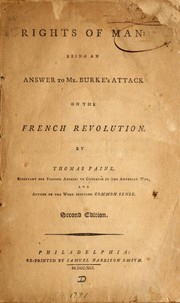 Rights of ManThomas PaineA fiery, foundational defense of human dignity that dismantles the divine right of kings with sharp, accessible rhetoric.
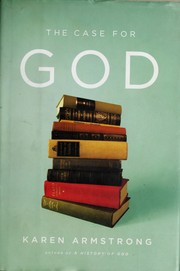 The Case for GodKaren ArmstrongA sweeping, contemplative journey through the history of human attempts to understand the divine.
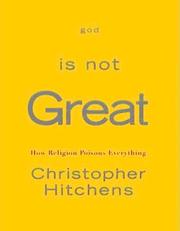 God Is Not GreatChristopher HitchensA blistering, erudite polemic that tears down dogma to make room for the awe-inspiring beauty of human reason.
 The Problems of PhilosophyBertrand RussellA crisp, mind-expanding journey that dismantles your everyday assumptions and rebuilds your understanding of reality from the ground up.
 Why I am not a ChristianRussell BertrandA masterclass in elegant dismantling, offering a cool, clear-eyed defense of intellectual freedom over inherited dogma.