Books › Obasan

Obasan
First published 1981 · 384 pages
A haunting, poetic excavation of memory and silence in the wake of profound historical injustice.
What it feels like
Reading this book feels like sifting through a box of forgotten photographs, where every image holds a heavy, unspoken history. The narrative unfolds at a steady, deliberate pace, wrapping the reader in a quiet but deeply melancholic atmosphere. It is a profoundly internal experience, driven not by propulsive action but by the slow, painful unearthing of buried truths and the tension between speaking out and remaining silent. The prose is breathtakingly lyrical, using sensory metaphors of stone and water to anchor the weight of grief. It will deeply resonate with readers who gravitate toward elegiac, beautifully crafted stories that confront the lingering scars of systemic injustice and the enduring resilience of family bonds.
- Mood
- haunting
- melancholic
- quiet
- heavy
- atmospheric
- Tone
- elegiac
- restrained
- poetic
- sorrowful
- searching
- Pace
- steady
- Themes
- intergenerational trauma · the weight of silence · memory and forgetting · systemic injustice · family bonds
- The writing
- Lyrical, deeply sensory, and poetic, weaving metaphors of stone, water, and silence into a tapestry of memory.
- The arc
- Moves from a fragmented, silent endurance of past trauma toward a painful but necessary awakening and bearing witness.
- Who it's for
- Readers who appreciate beautifully crafted, emotionally heavy historical fiction that prioritizes internal reflection and the unearthing of buried truths.
Content notes
- racism
- intergenerational trauma
- grief
- displacement and internment
- child abuse
About the book
The story of the Japanese Canadians during the Second World War as told through the eyes of a young girl.
Description from Open Library.
Books like Obasan
See why they match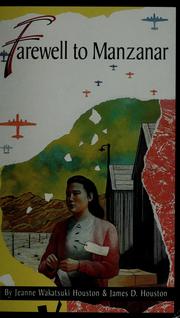 Farewell to ManzanarJeanne Wakatsuki Houston and James D. HoustonA poignant, clear-eyed memoir that filters the monumental injustice of internment through the intimate, resilient lens of a child coming of age behind barbed wire.
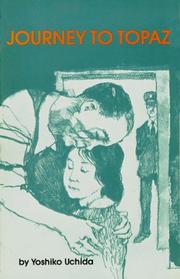 Journey to TopazYoshiko UchidaA gentle, heartbreaking, yet deeply resilient portrait of a family holding onto their dignity when their world is suddenly upended.
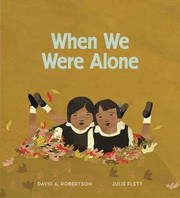 When we were aloneDavid RobertsonA tender, intergenerational conversation in a garden that gently unpacks a painful history while celebrating the enduring strength of cultural identity.
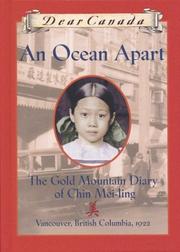 Dear CanadaGillian ChanAn intimate, urgent diary of a young girl's frantic race against systemic exclusion to reunite her fractured family.
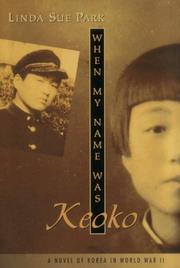 When my name was KeokoLinda Sue ParkA poignant journey through the quiet, everyday acts of courage that keep a family's heritage alive under the shadow of war.
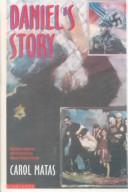 Daniel's storyCarol MatasA deeply moving, photograph-inspired journey through history's darkest chapter, anchored by the enduring power of memory and family.