Books › When we were alone

When we were alone
26 pages
A tender, intergenerational conversation in a garden that gently unpacks a painful history while celebrating the enduring strength of cultural identity.
What it feels like
Reading this book feels like sitting in a quiet, sunlit garden while listening to a beloved elder share their most important memories. The pace is steady and gentle, perfectly calibrated for its young audience, allowing space for curiosity and reflection. It carries a bittersweet but deeply resilient mood, balancing the heavy reality of cultural erasure in residential schools with the vibrant, colorful reclamation of Indigenous identity. The prose is accessible and sensitive, translating complex historical trauma into an empowering narrative of survival and family bonds. It is an essential, deeply moving experience for educators, parents, and children seeking a compassionate entry point into Indigenous history, leaving the reader with a profound sense of strength and cultural pride.
- Mood
- tender
- reflective
- bittersweet
- resilient
- Tone
- gentle
- earnest
- respectful
- empowering
- Pace
- steady
- Themes
- intergenerational connection · cultural resilience · reclaiming identity · Indigenous history · healing through family
- The writing
- Accessible and sensitive, using simple but profound language suitable for young readers to grasp complex historical truths.
- The arc
- Moves from gentle curiosity to a poignant understanding of historical loss, culminating in a quiet but powerful sense of cultural pride and strength.
- Who it's for
- Parents, educators, and children looking for a gentle, accessible entry point into understanding the history of residential schools and the enduring strength of Indigenous cultures.
Content notes
- residential schools
- cultural erasure
- historical trauma
About the book
"When a young girl helps tend to her grandmother's garden, she begins to notice things that make her curious. Why does her grandmother have long, braided hair and beautifully colored clothing? Why does she speak another language and spend so much time with her family? As she asks her grandmother about these things, she is told about life in a residential school a long time ago, where all of these things were taken away. When We Were Alone is a story about a difficult time in history, and, ultimately, one of empowerment and strength."--
Description from Open Library.
Books like When we were alone
See why they match I Am Not a NumberJenny Kay DupuisA heartbreaking yet deeply resilient story that honors the strength it takes to hold onto your identity when the world tries to strip it away.
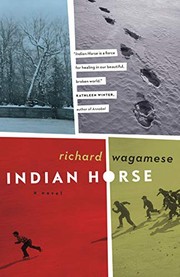 Indian horseRichard WagameseA haunting, lyrical testament to survival, where the brutal legacy of residential schools collides with the fleeting, transcendent grace of the ice.
 Barren GroundsDavid A. RobertsonA wintry portal fantasy that reimagines classic tropes through the lens of Indigenous mythology and the poignant search for belonging.
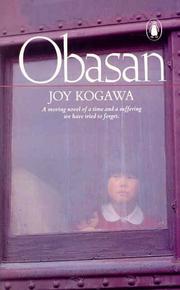 ObasanJoy KogawaA haunting, poetic excavation of memory and silence in the wake of profound historical injustice.
 In Search of April RaintreeBeatrice MosionierA poignant, psychologically grounded exploration of sisterhood and the enduring search for identity amidst systemic fracture.
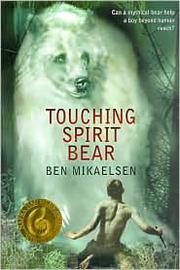 Touching Spirit BearBen MikaelsenA raw, visceral journey of survival that strips away blinding rage to reveal the painful, quiet work of healing.