Books › Oliver Twist

Oliver Twist
First published 1800 · 892 pages
A descent into a fog-choked, grimy underworld where pure innocence battles against systemic cruelty and theatrical villainy.
What it feels like
Reading this novel feels like walking through the fog-drenched, cobblestone alleys of nineteenth-century London, surrounded by shadows that might conceal either a friend or a pickpocket. The experience is a striking blend of biting social satire and earnest melodrama, anchored by a deeply moral core. The prose is elaborate and theatrical, painting larger-than-life caricatures of both grotesque villains and pure-hearted saviors. It moves at a steady, deliberate pace, pulling you through a grimy underworld of systemic cruelty before offering the warm relief of justice and safety. It is a perfect match for readers who delight in immersive, atmospheric classics where righteous anger at societal neglect meets the enduring, uncorrupted hope of a resilient child.
- Mood
- grimy
- shadowy
- bleak
- atmospheric
- Tone
- satirical
- melodramatic
- earnest
- moralistic
- Pace
- steady
- Themes
- loss of innocence · social injustice · corrupting poverty · inherent goodness · found family
- The writing
- Elaborate and theatrical, blending sharp, biting satire with vivid, almost grotesque character descriptions.
- The arc
- Begins in bleak, oppressive vulnerability, descends into a terrifying criminal underworld, and ultimately resolves in safety and moral vindication.
- Who it's for
- Readers who love immersive, atmospheric Victorian classics filled with larger-than-life caricatures and righteous social anger.
Content notes
- child abuse
- domestic violence
- antisemitism
- murder
- starvation
About the book
Oliver Twist; or, The Parish Boy's Progress, is the second novel by English author Charles Dickens. It was originally published as a serial from 1837 to 1839, and as a three-volume book in 1838. The story follows the titular orphan, who, after being raised in a workhouse, escapes to London, where he meets a gang of juvenile pickpockets led by the elderly criminal Fagin, discovers the secrets of his parentage, and reconnects with his remaining family.
Oliver Twist unromantically portrays the sordid lives of criminals, and exposes the cruel treatment of the many orphans in London in the mid-19th century.[2] The alternative title, The Parish Boy's Progress, alludes to Bunyan's The Pilgrim's Progress, as well as the 18th-century caricature series by painter William Hogarth, A Rake's Progress and A Harlot's Progress.
In an early example of the social novel, Dickens satirises child labour, domestic violence, the recruitment of children as criminals, and the presence of street children. The novel may have been inspired by the story of Robert Blincoe, an orphan whose account of working as a child labourer in a cotton mill was widely read in the 1830s. It is likely that Dickens's own experiences as a youth contributed as well, considering he spent two years of his life in the workhouse at the age of 12 and subsequently, missed out on some of his education.
Description from Open Library.
Books like Oliver Twist
See why they match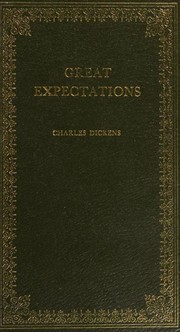 Great ExpectationsCharles DickensA fog-drenched coming-of-age tale where ambition clashes with conscience in a world of eccentric benefactors and decaying mansions.
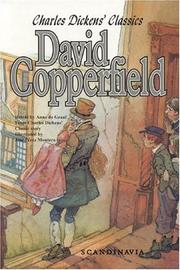 David CopperfieldCharles DickensA sprawling, deeply personal journey through the trials of youth, anchored by a vibrant cast of eccentric friends and unforgettable villains.
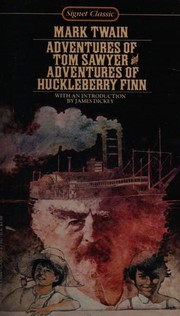 Novels (Adventures of Huckleberry Finn / Adventures of Tom Sawyer)Mark TwainA sun-drenched, satirical journey down the Mississippi that captures both the golden haze of boyhood and the dark underbelly of American society.
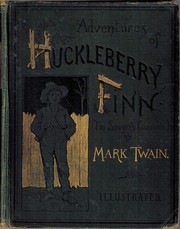 Adventures of Huckleberry FinnMark TwainA restless, sun-baked drift down a mighty river that strips away the hypocrisies of polite society to reveal the raw, complicated heart beneath.
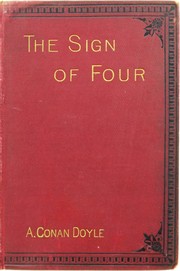 The Sign of FourArthur Conan DoyleA fog-drenched plunge into Victorian London where brilliant deduction meets the dark, lingering consequences of imperial greed.
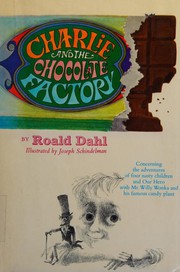 Charlie and the Chocolate FactoryRoald DahlA deliciously wicked and wildly inventive romp where pure imagination meets spectacular poetic justice.