Books › Great Expectations

Great Expectations
First published 1950 · 99998 pages
A fog-drenched coming-of-age tale where ambition clashes with conscience in a world of eccentric benefactors and decaying mansions.
What it feels like
Reading this novel feels like walking through a dense London fog, where every shadow hides a secret and every character is painted with vivid, theatrical strokes. The pacing is steady and deliberate, pulling you into a gothic world of decaying wedding feasts, desolate marshes, and the glittering but hollow promise of high society. The prose is classic Dickens, rich, ironic, and deeply observant, balancing dark, haunting atmospheres with moments of wry humor and profound tenderness. It is a deeply reflective experience that traces the painful, often embarrassing journey of growing up and realizing that wealth cannot buy worth. This is a perfect match for readers who savor immersive, atmospheric storytelling and complex, flawed characters seeking redemption.
- Mood
- gothic
- fog-drenched
- atmospheric
- haunting
- Tone
- satirical
- melancholic
- reflective
- wry
- earnest
- Pace
- steady
- Themes
- the illusion of wealth · unrequited love · class mobility and shame · the loss of innocence · moral redemption
- The writing
- Richly textured, highly descriptive, and laced with sharp irony and vivid character caricatures.
- The arc
- Moves from terrified childhood innocence through arrogant ambition to a humbled, bittersweet maturity.
- Who it's for
- Readers who love immersive, character-driven classics that blend gothic atmosphere with sharp social commentary.
Content notes
- child abuse
- poverty
- violence
- grief
About the book
Great Expectations is the thirteenth novel by Charles Dickens and his penultimate completed novel. It depicts the education of an orphan nicknamed Pip (the book is a bildungsroman; a coming-of-age story). It is Dickens' second novel, after David Copperfield, to be fully narrated in the first person. The novel was first published as a serial in Dickens's weekly periodical All the Year Round, from 1 December 1860 to August 1861. In October 1861, Chapman and Hall published the novel in three volumes.
The novel is set in Kent and London in the early to mid-19th century and contains some of Dickens's most celebrated scenes, starting in a graveyard, where the young Pip is accosted by the escaped convict Abel Magwitch. Great Expectations is full of extreme imagery – poverty, prison ships and chains, and fights to the death – and has a colourful cast of characters who have entered popular culture. These include the eccentric Miss Havisham, the beautiful but cold Estella, and Joe, the unsophisticated and kind blacksmith. Dickens's themes include wealth and poverty, love and rejection, and the eventual triumph of good over evil. Great Expectations, which is popular both with readers and literary critics, has been translated into many languages and adapted numerous times into various media.
Description from Open Library.
Books like Great Expectations
See why they match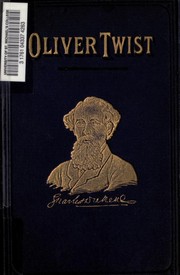 Oliver TwistCharles DickensA descent into a fog-choked, grimy underworld where pure innocence battles against systemic cruelty and theatrical villainy.
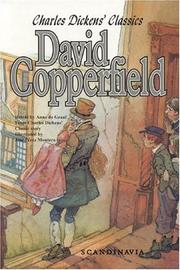 David CopperfieldCharles DickensA sprawling, deeply personal journey through the trials of youth, anchored by a vibrant cast of eccentric friends and unforgettable villains.
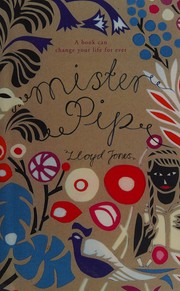 Mister PipJones, LloydAn intense, fablelike exploration of how stories can both save and endanger us in our darkest hours.
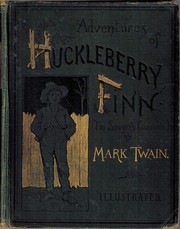 Adventures of Huckleberry FinnMark TwainA restless, sun-baked drift down a mighty river that strips away the hypocrisies of polite society to reveal the raw, complicated heart beneath.
 Wuthering HeightsEmily BrontëA tempestuous, unapologetically dark exploration of a love so obsessive it destroys everything it touches.
 Jane EyreCharlotte BrontëA brooding, gothic masterclass in quiet defiance and the fierce demand to be loved as an equal.