Books › Opiate receptor mechanisms

Opiate receptor mechanisms
166 pages
A rigorous, foundational dive into the neurochemical architecture of addiction and pain.
What it feels like
Reading this foundational text feels like stepping into a 1970s neuroscience laboratory at the exact moment a major breakthrough is being codified. The atmosphere is intensely clinical and intellectually rigorous, demanding a steady, focused pace as you navigate dense, data-driven prose. There is no narrative hand-holding here; instead, the satisfaction comes from the pure, objective clarity of scientific discovery. The tone remains authoritative and analytical throughout, meticulously mapping out the biological mechanisms that govern pain and addiction. It is a deeply specialized experience, rewarding readers who possess a genuine hunger for neurochemistry and pharmacological history. Those who appreciate the meticulous, step-by-step unraveling of the brain's deepest molecular secrets will find this an illuminating and essential historical document.
- Mood
- clinical
- intellectual
- focused
- rigorous
- Tone
- objective
- scholarly
- analytical
- authoritative
- Pace
- steady
- Themes
- scientific discovery · neurochemistry · biological basis of addiction · pharmacological mechanisms
- The writing
- Dense, precise, and heavily referenced, prioritizing clarity and data over narrative flair.
- The arc
- A journey from complex biological mystery to the satisfying clarity of empirical scientific discovery.
- Who it's for
- Neuroscientists, pharmacologists, and medical historians fascinated by the foundational discoveries of brain chemistry.
Content notes
- discussions of drug addiction
- clinical descriptions of substance abuse
- animal testing references
About the book
Bibliography: p. 143-166. Published simultaneously as v. 13, no. 1, Feb. 1975, of the Neuroscience Research Program bulletin. Includes index.
Description from Open Library.
Books like Opiate receptor mechanisms
See why they match Molecules of emotionCandace B. PertA passionate, paradigm-shifting journey into the microscopic architecture of human feeling.
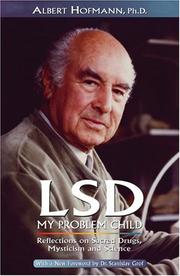 LSDMultidisciplinary Association for Psychedelic Studies (M A P S)A brilliant chemist's deeply personal reflection on accidentally unlocking a chemical doorway to the mystical.
 MotivationRobert C. BeckA rigorous, academic deep-dive into the psychological and physiological engines of human behavior.
 Inner experience and neuroscienceDonald D. PriceA rigorous, cerebral exploration of how the physical brain gives rise to the profound depths of subjective human experience.
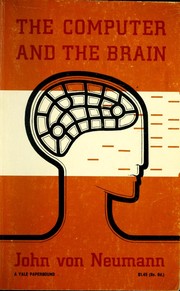 The computer and the brainJohn Von NeumannA visionary, foundational text that bridges the gap between the architecture of early machines and the profound mysteries of the human nervous system.
 Cognitive psychologyRobert L. SolsoA rigorous, methodical journey through the architecture and mechanics of the human mind.