Books › The computer and the brain
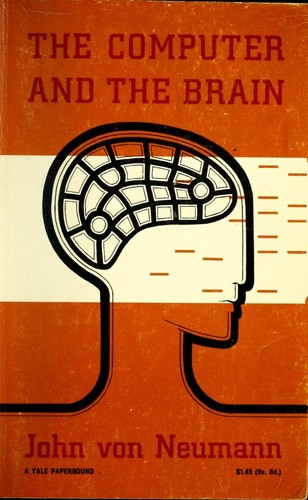
The computer and the brain
First published 1958 · 136 pages
A visionary, foundational text that bridges the gap between the architecture of early machines and the profound mysteries of the human nervous system.
What it feels like
Reading this book feels like sitting in a quiet, mid-century lecture hall, listening to one of the greatest minds of the twentieth century map out the future of human and artificial intelligence. The pace is steady and deliberate, demanding the reader's full intellectual engagement as it builds a bridge between the rigid logic of early computing machines and the wet, chaotic elegance of the human nervous system. There is a profound, almost melancholic historical resonance to the text, knowing it was written in the author's final days. The prose is lucid, mathematically precise, and stripped of unnecessary flourish, yet it hums with visionary foresight. It will deeply satisfy tech historians, computer scientists, and anyone captivated by the foundational philosophy of the mind.
- Mood
- intellectually rigorous
- contemplative
- historically resonant
- Tone
- analytical
- precise
- visionary
- authoritative
- lucid
- Pace
- steady
- Themes
- biological vs. artificial computation · the architecture of thought · the dawn of the information age · limits of human understanding
- The writing
- Lucid, highly structured, and mathematically precise, delivering complex comparative analyses with remarkable clarity.
- The arc
- Moves from a grounded, mechanical understanding of early computing into a profound, awe-inspiring contemplation of the human mind's complexity.
- Who it's for
- Readers fascinated by the foundational philosophy of artificial intelligence, cognitive science, and the history of computing.
About the book
I begin by discussing some of the principles underlying the systematics and the practice of computing machines.
Description from Open Library.
Books like The computer and the brain
See why they match The society of mindVoyager CompanyA playful, mind-bending puzzle box that dismantles the illusion of the self to reveal the hidden machinery of thought.
 A Thousand BrainsJeff HawkinsA cerebral exploration of how the mind works and what it means for the future of thinking machines.
 A new kind of scienceStephen WolframA monumental, paradigm-shifting journey that asks you to see the entire universe as a series of simple, unfolding computations.
 Computer organizationV. C. HamacherA rigorous, foundational journey into the physical and logical architecture that makes digital computing possible.
 The (new) turing omnibusA.K. DewdneyA guided tour through the elegant, invisible architecture of logic that powers the modern world.
 The age of spiritual machinesRay KurzweilA dizzying, prophetic glimpse into a future where silicon and soul become indistinguishable.