Books › Our Mutual Friend

Our Mutual Friend
First published 1868 · 1184 pages
A sprawling, darkly comic descent into a fog-choked city where money taints everything but the most resilient hearts.
What it feels like
Reading this sprawling Victorian epic feels like wading through the murky, fog-choked currents of the River Thames itself. It is a deeply atmospheric, darkly comic experience that immerses you in a labyrinthine London where the glittering facades of the nouveau riche sit uncomfortably close to the grimy dustheaps of the desperately poor. The prose is fiercely satirical and richly textured, demanding a meandering pace to savor its grotesque caricatures and biting social commentary. Despite the pervasive cynicism regarding the corrupting power of wealth, a profound undercurrent of moral redemption and rebirth pulls the narrative forward. It is a perfect match for readers who delight in massive, multi-threaded tapestries of society, where every shadowy alleyway hides a secret connection and love must survive the crushing weight of materialism.
- Mood
- grimy
- shadowy
- river-damp
- darkly comic
- Tone
- satirical
- wry
- angry
- theatrical
- moralistic
- Pace
- meandering
- Themes
- corrupting power of wealth · social climbing · rebirth and regeneration · hidden class connections · weight of inheritance
- The writing
- Elaborate, highly textured, and fiercely satirical, filled with grotesque caricatures and sweeping, rhythmic descriptions of the city.
- The arc
- Moves from a cynical observation of a corrupt, money-obsessed society to a hard-won, redemptive hope for genuine human connection.
- Who it's for
- Readers who love sprawling Victorian epics, biting social satire, and getting lost in a labyrinthine, atmospheric city.
Content notes
- poverty
- drowning
- violence
- class prejudice
- domestic abuse
About the book
Our Mutual Friend is a satiric masterpiece about money. The last novel Dickens completed, and perhaps his most angry, it sounds all the great themes of his later work: the innocence and venality of the aspiring poor, the hollow pretensions of the nouveau riche, the unfailing power of wealth to corrupt everyone it touches. Among those caught up in the ruthless forces of change in Dickens's London are the archetypal innocent Noddy Boffin, who 'inherits' a dustheap where the trash of the rich is thrown; Silas Wegg, a grotesque, one-legged man with unlimited fantasies of grandeur and power; Mr. Veneering, Member of Parliament, whose house, furnishings, servants, carriage, and baby are all 'bran-new'; and Alfred and Sophronia Lammle, who marry one another because each wrongly believes the other is rich. The social themes of Our Mutual Friend--having to do with the treatment of the poor, education, representative government, even the inheritance laws--are informed and brought into coherence by the underlying presence of the Thames, signifying the perpetual flow of life into death, and acting as agent of retribution and regeneration too, as a kind of river god in fact, in a novel in which no other god is very present.
Description from Open Library.
Books like Our Mutual Friend
See why they match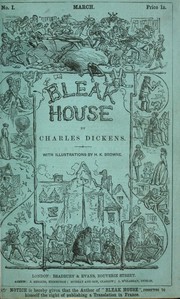 Bleak HouseCharles DickensA sprawling, fog-drenched epic that weaves biting institutional satire with a gripping, gothic mystery of hidden identities.
 Little DorritCharles DickensA sweeping, empathetic journey through the extremes of society, balancing the ridiculous with the profound.
 Vanity FairWilliam Makepeace ThackerayA biting, sprawling puppet show of social climbing, moral compromise, and the hollow pursuit of status in Regency England.
 Silas MarnerEliot, GeorgesA quiet, pastoral fairy tale about a frozen heart thawed by the unexpected arrival of a child.
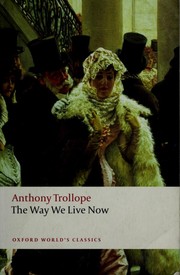 The way we live nowAnthony TrollopeA sprawling, razor-sharp social satire where the currency is gossip, the elite are morally bankrupt, and the house of cards is destined to fall.
 The House of MirthEdith WhartonA glittering, razor-sharp tragedy about a woman trapped by the very society she was bred to conquer.