Books › Pulp

Pulp
264 pages
A surreal, booze-soaked fever dream that wears the trench coat of a cheap detective novel while staring into the existential void.
What it feels like
Reading this feels like sitting in a neon-lit dive bar at three in the morning, listening to a brilliant but exhausted drunk spin a yarn that makes less and less sense as the night wears on. It is a brisk, chaotic ride through a surreal version of Los Angeles, dripping with cynicism and cheap liquor. The prose is aggressively stripped-down, firing off punchy, repetitive sentences that perfectly mimic the hard-boiled detective genre while simultaneously tearing it to shreds. Beneath the absurd encounters with aliens, the Red Sparrow, and Lady Death herself, there is a palpable, fatalistic undercurrent, a sense of a writer staring down his own mortality with a wry, middle-finger salute. It delights readers who crave gritty, irreverent satire wrapped in a bizarre, existential fever dream.
- Mood
- seedy
- surreal
- fatalistic
- grimy
- Tone
- cynical
- absurdist
- satirical
- world-weary
- irreverent
- Pace
- brisk
- Themes
- mortality and the void · absurdity of existence · urban decay · futility of effort
- The writing
- Stripped-down, punchy, and aggressively unadorned, mimicking cheap pulp fiction with a poetic, world-weary rhythm.
- The arc
- Moves from cynical, booze-soaked exhaustion into a surreal, fatalistic acceptance of the inevitable end.
- Who it's for
- Readers who love gritty, anti-establishment humor and do not mind their detective stories spiraling into bizarre, existential fever dreams.
Content notes
- alcoholism
- crude language
- misogyny
- violence
- existential dread
About the book
Charles Bukowski is one of America's best-known contemporary writers of poetry and prose, and, many would claim, its most influential and imitated poet. He was born in Andernach, Germany, and raised in Los Angeles, where he lived for fifty years. He published his first story in 1944, when he was twenty-four, and began writing poetry at the age of thirty-five. He died in San Pedro, California, on March 9, 1994, at the age of seventy-three, shortly after completing his last novel, Pulp (1994).
Description from Open Library.
Books like Pulp
See why they match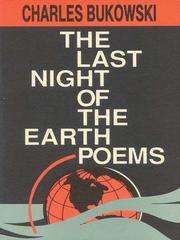 The Last Night of the Earth PoemsCharles BukowskiA late-night conversation in a dive bar with a world-weary friend who still manages to find flashes of beauty in the gutter.
 War all the timeCharles BukowskiAn influential collection of contemporary American poetry that frames daily existence as an ongoing battle.
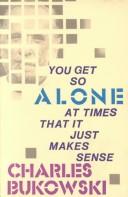 You get so alone at times that it just makes senseBukowskiA late-night, whiskey-soaked meditation on the quiet absurdity and profound isolation of modern life.
 The Black DahliaJames EllroyA feverish, pitch-black descent into mid-century Los Angeles where obsession rots the soul and justice is just another hustle.
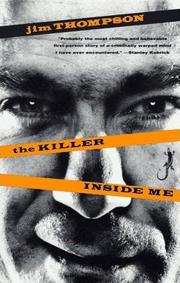 The Killer Inside MeJim ThompsonA terrifyingly intimate descent into the mind of a folksy sociopath hiding in plain sight.
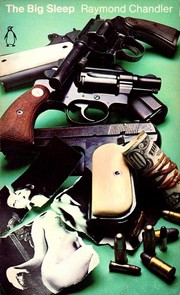 The Big SleepRaymond ChandlerA rain-slicked descent into a glamorous but rotting city, guided by a cynical knight in a trench coat.