Books › You get so alone at times that it just makes sense

You get so alone at times that it just makes sense
313 pages
A late-night, whiskey-soaked meditation on the quiet absurdity and profound isolation of modern life.
What it feels like
Reading this collection feels like sitting in a dimly lit dive bar at 2 AM, listening to a battered regular spill his guts over a cheap beer. The pace is steady and conversational, pulling you through stripped-down, unpretentious free verse that refuses to dress up the ugliness of the world. The mood is undeniably desolate and smoke-filled, steeped in the gritty reality of cheap apartments, hangovers, and failed relationships. Yet, beneath the cynical, unapologetic tone lies a surprising tenderness, a search for fleeting moments of grace amidst the absurdity of daily life. It is a deeply melancholic but strangely comforting experience, perfect for readers who crave raw, unvarnished honesty and find solace in the shared, quiet acceptance of existential loneliness.
- Mood
- smoke-filled
- desolate
- late-night
- lonely
- gritty
- Tone
- cynical
- raw
- melancholic
- unapologetic
- darkly humorous
- Pace
- steady
- Themes
- urban isolation · the absurdity of daily life · aging and mortality · fleeting moments of grace · existential loneliness
- The writing
- Stripped-down, unpretentious, and brutally direct free verse that reads like a late-night barstool confession.
- The arc
- Moves from bitter, cynical observation of the world's ugliness to a quiet, resigned acceptance of life's inherent loneliness.
- Who it's for
- Readers who crave unvarnished realism and find strange comfort in shared cynicism and the gritty beauty of the mundane.
Content notes
- alcoholism
- depression
- crude language
- sexual content
- misogyny
About the book
Charles Bukowski is one of America's best-known contemporary writers of poetry and prose, and, many would claim, its most influential and imitated poet. He was born in Andernach, Germany, and raised in Los Angeles, where he lived for fifty years. He published his first story in 1944, when he was twenty-four, and began writing poetry at the age of thirty-five. He died in San Pedro, California, on March 9, 1994, at the age of seventy-three, shortly after completing his last novel, Pulp (1994).
Description from Open Library.
Books like You get so alone at times that it just makes sense
See why they match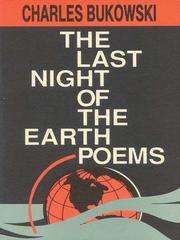 The Last Night of the Earth PoemsCharles BukowskiA late-night conversation in a dive bar with a world-weary friend who still manages to find flashes of beauty in the gutter.
 War all the timeCharles BukowskiAn influential collection of contemporary American poetry that frames daily existence as an ongoing battle.
 Howl, and Other PoemsAllen GinsbergA breathless, jazz-fueled scream against conformity that finds the sacred in the gutter.
 Humboldt's GiftSaul BellowA sprawling, comic, and deeply philosophical romp through the neuroses of midlife, the ghosts of literary genius, and the absurdities of modern America.
 Where I'm Calling FromRaymond CarverA definitive, career-spanning collection that showcases the unmistakable and widely imitated voice of an American short story master.
 Tender ButtonsAudre LordeAn experimental, stream-of-consciousness immersion into the hidden expressive power of everyday language.