Books › Pygmalion

Pygmalion
307 pages
A razor-sharp battle of wits where language is both a weapon and a cage.
What it feels like
Reading this classic play feels like stepping into a brilliantly lit drawing room where every conversation is a fencing match. The pace is brisk, driven entirely by razor-sharp dialogue and intellectual sparring. It is a deeply satirical experience, wrapping a biting critique of class and gender inside a lively, comedic framework. The mood is theatrical and combative, crackling with the tension of two strong wills clashing over the power of language and identity. Shaw's prose is meticulous, capturing the musicality of dialect while delivering philosophical gut-punches with wry elegance. It will delight readers who crave linguistic banter, feminist undertones, and stories where the ultimate triumph is not a romantic union, but the fierce reclamation of one's own independence and self-worth.
- Mood
- lively
- theatrical
- drawing-room bright
- combative
- Tone
- wry
- satirical
- sharp
- intellectual
- didactic
- Pace
- brisk
- Themes
- class mobility · the power of language · identity and self-worth · gender dynamics · superficiality of society
- The writing
- Sparkling, dialogue-heavy, and meticulously crafted to highlight the nuances of dialect and intellectual sparring.
- The arc
- Moves from a lighthearted, condescending social experiment to a fierce, triumphant assertion of independent selfhood.
- Who it's for
- Lovers of classic British theater, linguistic banter, and sharp social critiques wrapped in drawing-room comedy.
Content notes
- classism
- emotional manipulation
- sexism
About the book
Pygmalion is a play by George Bernard Shaw, named after a Greek mythological figure. It was first presented on stage to the public in 1913.
Description from Open Library.
Books like Pygmalion
See why they match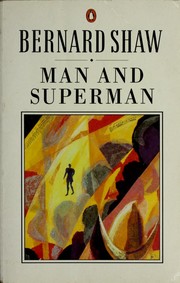 Man and SupermanBernard ShawA razor-sharp comedy of manners that morphs into a cosmic debate about human evolution and the inescapable gravity of romance.
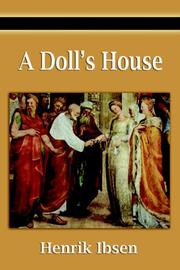 A Doll's HouseHenrik IbsenA claustrophobic descent into the cracks of a seemingly perfect marriage, culminating in a quiet but earth-shattering rebellion.
 Arms and the ManGeorge Bernard ShawA sparkling, anti-romantic comedy that gleefully punctures the balloon of idealized heroism with the sharp pin of pragmatism.
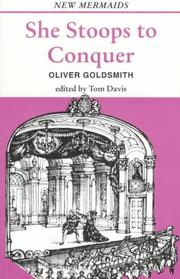 She Stoops To ConquerOliver GoldsmithA sparkling, chaotic romp through the absurdities of courtship and class where everyone is delightfully confused.
 The Importance of Being EarnestOscar WildeA sparkling, laugh-out-loud comedy of manners where the greatest crime one can commit is being boring.
 AgamemnonAeschylusA grand, poetic translation of a classical Greek tragedy steeped in mythological weight.