Books › Quiet
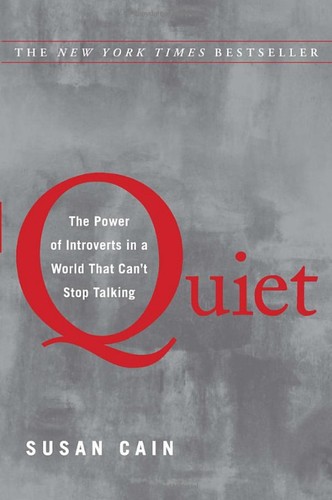
Quiet
568 pages
A deeply validating exploration that gives you permission to stop pretending and embrace the quiet power of your own mind.
What it feels like
Reading this book feels like a long, reassuring exhale after a lifetime of holding your breath in crowded rooms. It moves at a steady, thoughtful pace, weaving together neuroscience, cultural history, and deeply empathetic storytelling. The prose is warm and accessible, never bogging down in academic jargon, but instead wrapping the reader in a deeply affirming, reflective atmosphere. It is an experience of profound validation, shifting the emotional landscape from a sense of alienation to one of quiet empowerment. This is a book for anyone who has ever been told to speak up, smile more, or come out of their shell, offering a gentle but persuasive argument that your quietness is not a flaw to be fixed, but a profound strength to be harnessed.
- Mood
- reflective
- affirming
- thoughtful
- comforting
- Tone
- empathetic
- validating
- earnest
- analytical
- Pace
- steady
- Themes
- the power of solitude · cultural bias · self-acceptance · hidden strengths · navigating a loud world
- The writing
- Clear, accessible, and narrative-driven, blending scientific research with warm, humanizing anecdotes.
- The arc
- Moves from a sense of cultural alienation and misunderstanding to profound validation and empowered self-acceptance.
- Who it's for
- Introverts seeking validation and anyone exhausted by society's relentless pressure to be constantly outgoing and performative.
Content notes
- social anxiety
- workplace stress
About the book
Passionately argued, impressively researched, and filled with indelible stories of real people, Quiet shows how dramatically we undervalue introverts, and how much we lose in doing so. Taking the reader on a journey from Dale Carnegie's birthplace to Harvard Business School, from a Tony Robbins seminar to an evangelical megachurch, Susan Cain charts the rise of the Extrovert Ideal in the twentieth century and explores its far-reaching effects. She talks to Asian-American students who feel alienated from the brash, backslapping atmosphere of American schools. She questions the dominant values of American business culture, where forced collaboration can stand in the way of innovation, and where the leadership potential of introverts is often overlooked. And she draws on cutting-edge research in psychology and neuroscience to reveal the surprising differences between extroverts and introverts. Perhaps most inspiring, she introduces us to successful introverts–from a witty, high-octane public speaker who recharges in solitude after his talks, to a record-breaking salesman who quietly taps into the power of questions. Finally, she offers invaluable advice on everything from how to better negotiate differences in introvert-extrovert relationships to how to empower an introverted child to when it makes sense to be a "pretend extrovert." This extraordinary book has the power to permanently change how we see introverts and, equally important, how introverts see themselves. - Publisher.
Description from Open Library.
Books like Quiet
See why they match The Introvert AdvantageMarti Olsen LaneyA warm, validating embrace that offers permission to stop pretending and start thriving in your own quiet way.
 The highly sensitive personElaine N. AronA gentle, paradigm-shifting embrace for those who feel the world a little too loudly.
 OutliersMalcolm GladwellAn engaging journey that dismantles the myth of the self-made genius to reveal the hidden forces behind extraordinary success.
 The Power of HabitCharles DuhiggA fascinating, story-driven exploration of the invisible scripts that run our lives and how we can rewrite them.
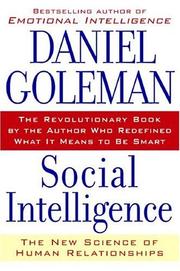 Social IntelligenceDaniel GolemanAn illuminating journey into the hidden neural pathways that make us fundamentally wired for human connection.
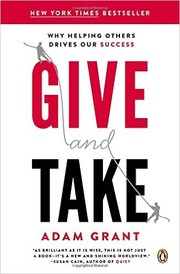 Give and TakeAdam GrantAn uplifting, evidence-based exploration that proves nice guys do not actually have to finish last.