Books › Reading Lolita in Tehran

Reading Lolita in Tehran
a memoir in books
613 pages
A clandestine gathering of minds where forbidden literature becomes a lifeline against the encroaching dark.
What it feels like
Reading this memoir feels like stepping into a secret sanctuary, a quiet living room where the curtains are drawn against a dangerous world. The pace is steady and deeply reflective, inviting you to sit alongside these women as they dissect classic literature and, through it, their own fractured realities. The mood oscillates between the stifling dread of an oppressive regime and the vibrant, electric intimacy of shared rebellion. Nafisi's prose is luminous and analytical, seamlessly weaving literary criticism with poignant personal history. It is a deeply moving experience that will delight bibliophiles, feminists, and anyone who believes in the radical, life-saving power of art. You leave the book feeling both heartbroken by the tyranny described and profoundly inspired by the resilience of the human spirit.
- Mood
- intimate
- clandestine
- stifling
- hopeful
- Tone
- reflective
- passionate
- defiant
- elegiac
- intellectual
- Pace
- steady
- Themes
- liberating power of literature · female solidarity · intellectual freedom · totalitarianism and identity · resilience
- The writing
- Luminous and deeply analytical, weaving literary criticism seamlessly into poetic personal reflection.
- The arc
- Moves from the stifling weight of systemic oppression to the quiet, defiant liberation found in shared intellectual intimacy and memory.
- Who it's for
- Readers who believe in the transformative power of books and appreciate memoirs that blend political history with literary analysis.
Content notes
- political persecution
- sexism and misogyny
- war
- imprisonment
About the book
Every Thursday morning for two years in the Islamic Republic of Iran, Azar Nafisi, a bold and inspired teacher, secretly gathered seven of her most committed female students to read forbidden Western classics. Some came from conservative and religious families, others were progressive and secular; some had spent time in jail. They were shy and uncomfortable at first, unaccustomed to being asked to speak their minds, but soon they removed their veils and began to speak more freely–their stories intertwining with the novels they were reading by Jane Austen, F. Scott Fitzgerald, Henry James, and Vladimir Nabokov. As Islamic morality squads staged arbitrary raids in Tehran, as fundamentalists seized hold of the universities and a blind censor stifled artistic expression, the women in Nafisi's living room spoke not only of the books they were reading but also about themselves, their dreams and disappointments. Azar Nafisi's luminous masterwork gives us a rare glimpse, from the inside, of women's lives in revolutionary Iran. Reading Lolita in Tehran is a work of great passion and poetic beauty, a remarkable exploration of resilience in the face of tyranny, and a celebration of the liberating power of literature. - Publisher.
Description from Open Library.
Books like Reading Lolita in Tehran
See why they match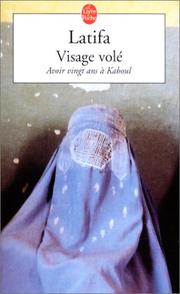 Visage voléLatifaA harrowing but deeply humanizing window into the sudden theft of freedom and the quiet acts of rebellion that keep hope alive.
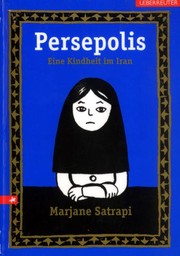 Persepolis 1-4Marjane SatrapiA fiercely intimate, darkly funny, and deeply moving portrait of growing up rebellious in a world turned upside down.
 Room of Ones Own Three GuineasVirginia WoolfA fiery, sophisticated exploration of female creativity, economic independence, and the societal impacts of militarism.
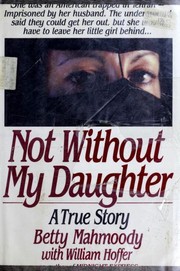 Not Without My DaughterBetty Mahmoody and William HofferA claustrophobic, pulse-pounding true story of a mother's desperate fight to reclaim her freedom and her child.
 Funny in FarsiFiroozeh DumasA warm, laugh-out-loud love letter to the absurdities of assimilation and the enduring eccentricities of family.
 The underground girls of KabulJenny NordbergAn intimate, eye-opening journey into a hidden world where gender is a fluid survival tactic rather than a fixed identity.