Books › Regarding the Pain of Others
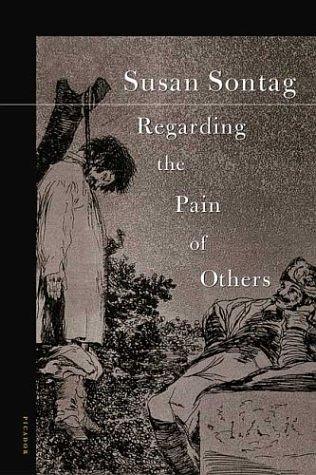
Regarding the Pain of Others
253 pages
A piercing, unsentimental interrogation of what it means to consume images of human suffering.
What it feels like
Reading this book feels like sitting in a starkly lit room with a brilliant, uncompromising thinker who refuses to let you look away. The pace is steady and deliberate, demanding that you pause and wrestle with the ethical weight of every paragraph. The prose is sharp, erudite, and rigorously unsentimental, stripping away comforting illusions about empathy and awareness. The mood is heavy and contemplative, steeped in the grim realities of history and the unsettling nature of modern media consumption. It is an intellectually rigorous journey that moves from historical analysis to a deeply personal confrontation with our own complicity as spectators. This is a must-read for those who crave incisive cultural criticism and are willing to grapple with the darkest aspects of visual culture.
- Mood
- contemplative
- heavy
- stark
- unsettling
- Tone
- analytical
- unflinching
- somber
- probing
- intellectual
- Pace
- steady
- Themes
- ethics of witnessing · desensitization to violence · empathy versus voyeurism · the limits of photography · complicity of the spectator
- The writing
- Sharp, erudite, precise, and rigorously unsentimental.
- The arc
- Moves from a detached historical inquiry into a deeply unsettling confrontation with our own complicity as spectators.
- Who it's for
- Readers who crave rigorous cultural criticism and philosophical inquiries into media, ethics, and human suffering.
Content notes
- discussions of war
- graphic violence
- genocide
- torture
- atrocity
About the book
Twenty-five years after her classic On Photography, Susan Sontag returns to the subject of visual representations of war and violence in our culture today.
How does the spectacle of the sufferings of others affect us? Are viewers inured--or incited--to violence by the depiction of cruelty? In Regarding the Pain of Others, Susan Sontag takes a fresh look at the representation of atrocity--from Goya's The Disasters of War to photographs of the American Civil War, lynchings of blacks in the South, and the Nazi death camps, to contemporary horrific images of Bosnia, Sierra Leone, Rwanda, Israel and Palestine, and New York City on September 11, 2001.
In Regarding the Pain of Others Susan Sontag once again changes the way we think about the uses and meanings of images in our world, and offers an important reflection about how war itself is waged (and understood) in our time.
Description from Open Library.
Books like Regarding the Pain of Others
See why they match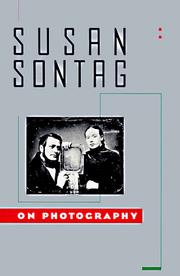 On PhotographySusan SontagA fiercely intelligent dismantling of how we look at the world and how images consume our reality.
 About LookingJohn BergerA quiet, piercing invitation to slow down and interrogate the profound meaning hidden in our everyday acts of observation.
 Illness as metaphorSusan SontagA fierce, intellectual dismantling of the toxic myths we build around sickness and suffering.
 War Is a Force That Gives Us MeaningChris HedgesA haunting, erudite dismantling of the myths we tell ourselves about the glory of combat and the intoxicating poison of nationalism.
 Ways of SeeingJohn BergerA radical, mind-altering lens that permanently changes how you look at art, advertising, and the world around you.
 ViolenceSlavoj ZizekAn incendiary, pop-culture-infused philosophical interrogation of the violence hidden within our everyday systems and language.