Books › War Is a Force That Gives Us Meaning
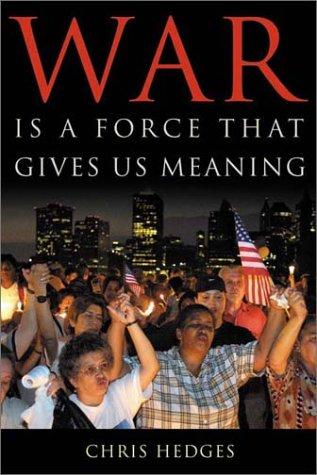
War Is a Force That Gives Us Meaning
224 pages
A haunting, erudite dismantling of the myths we tell ourselves about the glory of combat and the intoxicating poison of nationalism.
What it feels like
Reading this book feels like sitting in a quiet, dimly lit room with a war correspondent who has seen too much and is finally telling you the unvarnished truth. The pace is steady and deliberate, anchored by prose that is both viscerally grounded in frontline grit and elevated by profound literary erudition. It is a deeply sobering experience, wrapping the reader in a haunting atmosphere that strips away the romanticized myths of combat to reveal the addictive, destructive nature of conflict. The emotional journey is heavy but necessary, moving from the seductive rush of wartime solidarity to the bleak, hollow reality of its aftermath. It will profoundly resonate with readers who seek uncompromising, psychologically astute reflections on human nature, collective trauma, and the dark allure of nationalism.
- Mood
- sobering
- haunting
- bleak
- intense
- Tone
- unflinching
- somber
- urgent
- philosophical
- authoritative
- Pace
- steady
- Themes
- the intoxication of conflict · myth vs. reality of combat · destruction of culture · seductive nationalism · collective trauma
- The writing
- Visceral and erudite, seamlessly weaving frontline journalistic grit with profound literary and philosophical reflections.
- The arc
- Begins by acknowledging the dark, addictive allure of conflict before plunging the reader into a devastating, clear-eyed confrontation with its ultimate nihilism.
- Who it's for
- Readers who crave uncompromising, psychologically astute explorations of human nature, geopolitics, and the dark realities of society.
Content notes
- graphic violence
- war trauma
- death and dying
- psychological distress
About the book
"Drawing on the literature of combat, from Homer and Shakespeare to Erich Maria Remarque and Michael Herr, Hedges shows how human beings are conditioned to embrace what he calls "the myth of war" - the idea that combat is noble, selfless, and glorious. And yet if human history is any guide, nations and imperiums have stumbled and even fallen when they believed the myths peddled about war and about themselves.
The reality of war, which Hedges knows first-hand, is about the destruction of culture, the perversion of human desire, and the embrace, ultimately, of death over life."--BOOK JACKET.
Description from Open Library.
Books like War Is a Force That Gives Us Meaning
See why they match War! What is it good for?Ian MorrisA sweeping, provocative exploration of how humanity's most destructive impulse paradoxically paved the way for modern peace and prosperity.
 Hegemony or SurvivalNoam ChomskyA relentless, heavily footnoted dismantling of imperial benevolence that leaves you wide awake and deeply alarmed.
 Carnage and cultureVictor Davis HansonA sweeping, accessible synthesis of 2,500 years of military history that examines the cultural roots of Western lethality.
 The Great War for CivilisationRobert FiskA monumental, fiercely passionate chronicle of conflict that plunges you into the devastating human realities of modern history.
 Dirty WarsJeremy ScahillA gripping, dread-soaked descent into the hidden machinery of modern American warfare.
 TribeSebastian JungerA sharp, deeply empathetic exploration of why modern society leaves us feeling so isolated, and how crisis paradoxically restores our sense of shared humanity.