Books › Research Design

Research Design
Qualitative, Quantitative, and Mixed Methods Approaches
First published 1994 · 304 pages
A clarifying, step-by-step roadmap that transforms the daunting prospect of academic research into an achievable, structured process.
What it feels like
Reading this book feels like sitting down with a patient, highly organized mentor who knows exactly how to untangle the overwhelming knot of academic research. The pace is steady and methodical, designed not for binge-reading but for careful, step-by-step application. Its mood is deeply focused and clarifying, replacing the anxiety of a blank page with the comforting architecture of clear paradigms, hypotheses, and mixed-method frameworks. The prose is exceptionally accessible for an academic text, prioritizing pragmatic instruction and real-world examples over dense jargon. It is an indispensable companion for graduate students and early-career researchers in the social sciences, offering a reassuring, structured journey from the initial spark of an idea to a rigorously designed study.
- Mood
- focused
- structured
- intellectual
- clarifying
- Tone
- authoritative
- instructive
- encouraging
- pragmatic
- academic
- Pace
- steady
- Themes
- academic rigor · intellectual inquiry · methodological clarity · scholarly preparation
- The writing
- Clear, accessible, and highly structured, prioritizing pedagogical utility and precise definitions over stylistic flourish.
- The arc
- Moves from the overwhelming complexity of academic inquiry to a grounded sense of methodological confidence and preparedness.
- Who it's for
- Graduate students, early-career researchers, and academics seeking a reliable, step-by-step roadmap for structuring their scholarly inquiries.
About the book
This book addresses these issues by providing a guide to major design decisions, such as deciding a paradigm, stating a purpose for the study, identifying the research questions and hypotheses, using theory, and defining and stating the significance of the study. Each chapter is organized to first present the principles about composing and writing qualitative and quantitative approaches followed by specific examples from journal articles and dissertations from a variety of fields within the social and human sciences. Each chapter concludes with writing exercises that relate back to these formats so that the reader can end the book with a written plan for a scholarly study. Research Design is aimed at upper division to graduate level research methods courses that are taught to prepare students to plan and write up independent research studies.
Description from Open Library.
Books like Research Design
See why they match Case Study Research and ApplicationsRobert K. YinA rigorous, clarifying roadmap through the complexities of qualitative research design that transforms daunting academic tasks into manageable steps.
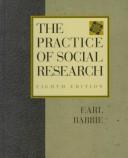 The practice of social researchEarl R. BabbieA clear, empowering roadmap for turning curiosity about the social world into rigorous, actionable inquiry.
 Research methods in psychologyJohn ShaughnessyA rigorous, structured journey into the mechanics of how we scientifically study the human mind.
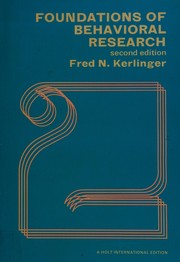 Foundations of behavioral researchFred N. KerlingerA rigorous, encyclopedic anchor for navigating the complex waters of social science research.
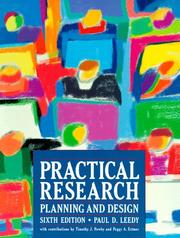 Practical ResearchPaul D. LeedyA reassuring, step-by-step companion that transforms the daunting prospect of academic research into a manageable, structured journey.
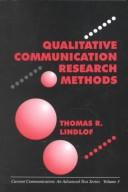 Qualitative communication research methodsThomas R. LindlofA comprehensive, step-by-step academic journey through the mechanics and ethics of qualitative communication research.