Books › Why We Can't Wait

Why We Can't Wait
First published 1964 · 240 pages
A soaring, urgent masterclass in moral clarity and the undeniable demand for immediate justice.
What it feels like
Reading this book feels like standing in the presence of history as it is being forged. The prose is a masterclass in rhetoric, blending soaring, poetic cadences with razor-sharp political analysis that never loses its profound moral center. It moves at a steady, deliberate pace, anchoring the reader in the tense, weighty atmosphere of a pivotal cultural reckoning. The tone is both deeply analytical and fiercely impassioned, capturing the exhaustion of delayed justice alongside a resolute, galvanizing hope. It is a stirring, righteous experience that traces an emotional arc from the sobering realities of systemic oppression to a powerful demand for transformative action. This is essential reading for anyone drawn to the philosophy of nonviolent resistance, the fierce urgency of social justice, and the enduring power of a perfectly crafted argument.
- Mood
- righteous
- stirring
- weighty
- tense
- Tone
- urgent
- eloquent
- resolute
- impassioned
- analytical
- Pace
- steady
- Themes
- the fierce urgency of now · systemic injustice · nonviolent resistance · moral responsibility · human dignity
- The writing
- Masterfully rhetorical, blending soaring, poetic cadences with sharp, incisive political analysis.
- The arc
- Moves from a sobering assessment of deep-rooted injustice to a resolute, galvanizing call for immediate and transformative action.
- Who it's for
- Readers seeking foundational texts on social justice, civil rights history, and the philosophy of nonviolent resistance.
Content notes
- racism
- racial violence
- systemic oppression
- police brutality
About the book
In 1963, Birmingham, Alabama, Dr. Martin Luther King, Jr. launched the Civil Rights movement and demonstrated to the world the power of nonviolent direct action with this letter from Birmingham Jail. Why We Can't Wait recounts not only the Birmingham campaign, but also examines the history of the civil rights struggle and the tasks that future generations must accomplish to bring about full equality for African Americans. Dr. King's eloquent analysis of these events propelled the Civil Rights movement from lunch counter sit-ins and prayer marches to the forefront of the American consciousness.
Description from Open Library.
Books like Why We Can't Wait
See why they match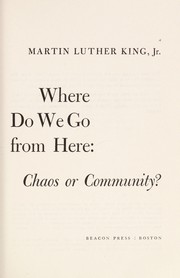 Where do we go from hereMartin Luther King Jr.A contemplative and visionary exploration of civil rights and economic justice that balances acute analysis with a universal message of hope.
 The fire next timeJames BaldwinA searing, intimate, and prophetic letter that demands a reckoning with America's racial soul.
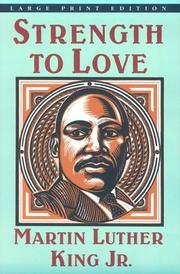 Strength to loveMartin Luther King Jr.A profound, rhythmic call to moral courage that challenges the soul to meet hatred with radical, transformative love.
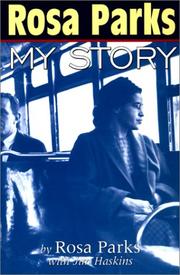 Rosa ParksRosa ParksA quiet, dignified testament to the monumental power of a single act of refusal.
 Martin Luther King, JrValerie SchloredtAn accessible, inspiring journey through the life and legacy of a leader who changed history through non-violent resistance.
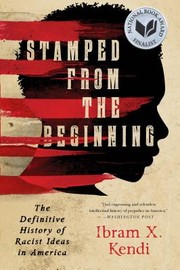 Stamped from the BeginningIbram X. KendiA monumental, paradigm-shifting journey through the intellectual history of American racism that demands a fundamental rewiring of how you view the present.