Books › Rules for radicals
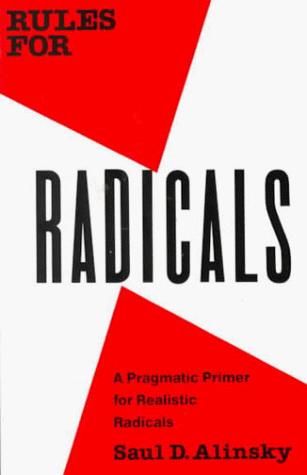
Rules for radicals
a practical primer for realistic radicals
196 pages
A gritty, unapologetic playbook that strips away utopian idealism in favor of bare-knuckle tactics for grassroots power.
What it feels like
Reading this book feels like sitting in a smoky back room with a veteran organizer who has seen it all and has zero patience for empty rhetoric. It is a brisk, irreverent, and deeply pragmatic manual that trades utopian daydreaming for the gritty mechanics of power. The prose is sharp, conversational, and unapologetically abrasive, delivering aphorisms and tactical lessons with a wry, confrontational energy. The atmosphere is charged with a restless, determined spirit, pushing the reader to look past the way the world should be and grapple with the messy reality of how it actually operates. It will delight political junkies, grassroots activists, and anyone who craves a bare-knuckle, realistic approach to forcing systemic change.
- Mood
- energizing
- gritty
- confrontational
- determined
- Tone
- pragmatic
- irreverent
- unapologetic
- cynical
- didactic
- Pace
- brisk
- Themes
- power dynamics · grassroots empowerment · pragmatic idealism · systemic disruption · ethics of means and ends
- The writing
- Direct, conversational, and often abrasive, relying heavily on sharp aphorisms and real-world anecdotes.
- The arc
- Moves from a stark, unvarnished assessment of societal inequality to an empowering, actionable resolve to force change.
- Who it's for
- Activists, political junkies, and organizers who prefer gritty realism and actionable strategy over utopian theory.
Content notes
- systemic oppression
- political conflict
About the book
Rules for Radicals: A Pragmatic Primer for Realistic Radicals is the late work of community organizer Saul D. Alinsky, and his last book, published in 1971 shortly before his death. His goal for the Rules for Radicals was to create a guide for future community organizers to use in uniting low-income communities, or “Have-Nots”, in order to empower them to gain social, political, and economic equality by challenging the current agencies that promoted their inequality.[1] Within it, Alinsky compiled the lessons he had learned throughout his personal experiences of community organizing spanning from 1939-1971 and targeted these lessons at the current, new generation of radicals.[2]
Divided into ten chapters, each chapter of Rules for Radicals provides a lesson on how a community organizer can accomplish the goal of successfully uniting people into an active organization with the power to effect change on a variety of issues. Though targeted at community organization, these chapters also touch on a myriad of other issues that range from ethics, education, communication, and symbol construction to nonviolence and political philosophy.[3]
Though published for the new generation of counterculture-era organizers in 1971, Alinsky's principles have been successfully applied over the last four decades by numerous government, labor, community, and congregation-based organizations, and the main themes of his organizational methods that were elucidated upon in Rules for Radicals have been recurring elements in political campaigns in recent years
Description from Open Library.
Books like Rules for radicals
See why they match Steal This BookAbbie HoffmanA chaotic, middle-finger-raising survival guide that immerses you in the electric paranoia and radical freedom of the late-sixties underground.
 The fire next timeJames BaldwinA searing, intimate, and prophetic letter that demands a reckoning with America's racial soul.
 Politics Is for PowerEitan HershA sobering but ultimately galvanizing wake-up call that challenges readers to trade performative online outrage for the slow, steady work of real community organizing.
 Mutual AidDean SpadeA clear-eyed, galvanizing handbook for surviving systemic collapse through radical, everyday solidarity.
 Common SenseThomas PaineA fiery, plainspoken match struck in the dark of political complacency, designed to ignite a revolution.
 How to Be an AntiracistIbram X. KendiA deeply personal and intellectually rigorous invitation to unlearn systemic biases and actively build a more equitable world.