Books › Satyricon
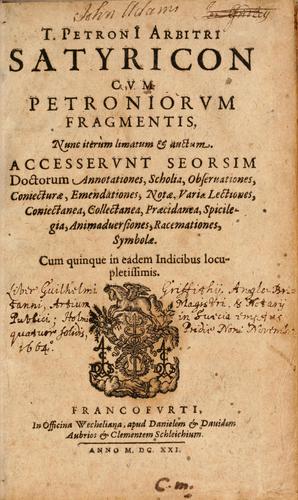
Satyricon
First published 1711 · 3132 pages
A bawdy, chaotic road trip through the grotesque underbelly of ancient Rome, fueled by lust, bad poetry, and spectacular bad decisions.
What it feels like
Reading this fragmented survival guide to ancient Roman debauchery feels like stumbling through a fever dream of excess and bad behavior. The narrative moves with a chaotic, meandering energy, dragging you from squalid brothels to the grotesquely lavish dining rooms of the nouveau riche. It is a deeply cynical, laugh-out-loud funny experience that strips away the pristine marble image of antiquity to reveal a world of hustlers, pretentious poets, and jealous lovers all scrambling for their next meal or conquest. The prose is a brilliant, jarring mix of high-minded literary parody and vulgar street slang. It will delight readers who love dark, bawdy satire and want to experience classical history at its most irreverent, queer, and unapologetically messy.
- Mood
- chaotic
- decadent
- grotesque
- hedonistic
- Tone
- cynical
- bawdy
- satirical
- irreverent
- Pace
- meandering
- Themes
- the absurdity of wealth · sexual jealousy · survival by one's wits · performative excess · the decay of high culture
- The writing
- A lively, fragmented mix of high literary parody and vulgar street slang, shifting abruptly between elegant poetry and crude prose.
- The arc
- A chaotic plunge into the excesses of society that leaves the reader both amused and exhausted by the relentless debauchery.
- Who it's for
- Readers who enjoy dark, bawdy humor, classical history without the marble polish, and chaotic, queer picaresque adventures.
Content notes
- sexual content
- sexual assault
- bodily fluids
- class exploitation
About the book
An incomplete Roman novel believed to have been written by Gaius Petronius Arbiter. What remains of the novel is a picaresque story concerning the narrator’s battle to keep his lover, a handsome sixteen year old boy, away from his many rivals.
Description from Open Library.
Books like Satyricon
See why they match CatullusGaius Valerius CatullusA studious and deeply analytical journey into the passionate heart of ancient Roman love poetry.
 SatiræPersiusAn uncensored, poetic revival of ancient satire that restores the provocative edge lost to Victorian sensibilities.
 Querelle de BrestJean GenetA lush, hallucinatory descent into a shadowy port town where crime, betrayal, and homoerotic desire are elevated to sacred rituals.
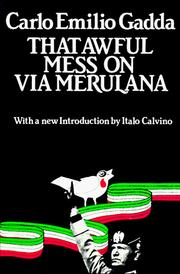 Quer pasticciaccio brutto de via MerulanaCarlo Emilio GaddaA dizzying, linguistic labyrinth disguised as a murder mystery, where the search for truth dissolves into the chaotic noise of fascist Rome.
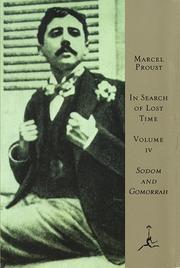 Sodome et GomorrheMarcel ProustA microscopic, devastating dissection of high-society hypocrisy and the agonizing paranoia of hidden desires.
 Latro in the mistGene WolfeA poignant, mythic journey through ancient Greece where a soldier's daily struggle to remember himself intertwines with the invisible world of gods.