Books › Satiræ
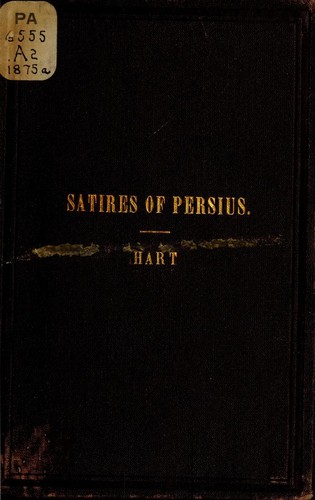
Satiræ
First published 1693 · 244 pages
An uncensored, poetic revival of ancient satire that restores the provocative edge lost to Victorian sensibilities.
What it feels like
Reading this translation feels like stepping into a lively, centuries-old debate where the polite filters of recent history have finally been stripped away. The mood is both scholarly and surprisingly provocative, anchored by a steady rhythm that honors the original Latin verse while prioritizing a poet's ear over dry academic literalism. Because it restores the franker passages that Victorian translators shied away from, the text carries an unvarnished, candid energy. It is an experience defined by intellectual controversy and unfiltered classical critique. This edition will delight readers who crave an authentic, uncensored connection to antiquity, offering a vibrant window into the sharp, satirical minds that once captivated ancient schools and scholars.
- Mood
- candid
- scholarly
- unvarnished
- Tone
- satirical
- frank
- provocative
- poetic
- Pace
- steady
- Themes
- unfiltered expression · intellectual controversy · classical critique
- The writing
- Rendered with a poet's ear for rhythm rather than strict academic literalism, preserving the unvarnished and frank nature of the original verse.
- The arc
- A journey from scholarly curiosity into the surprisingly frank and controversial critiques of the ancient world.
- Who it's for
- Readers who appreciate classical antiquity, poetic translations, and uncensored historical satire.
Content notes
- frank language
- satirical critique
About the book
In the ancient world, the Satires belonged to a small class of works which remained in constant circulation. They were read in the schools, were commented upon by scholars, and were forever the subject of controversy. This translation boasts several advantages over previous English versions: it is the work of a poet rather than a Latinist, and it offers a faithful rendering of Persius' franker passages which the Victorians never dared to translate fully.
Description from Open Library.
Books like Satiræ
See why they match CarminaHoraceA sun-warmed, bittersweet invitation to pour a glass of wine and savor the fleeting beauty of the present moment.
 CatullusGaius Valerius CatullusA studious and deeply analytical journey into the passionate heart of ancient Roman love poetry.
 OdesHoraceA sun-drenched, rhythmic meditation on seizing the day, savoring good wine, and accepting the fleeting nature of life.
 De rerum naturaTitus Lucretius CarusA majestic, poetic dismantling of existential dread that finds profound serenity in the atomic nature of the universe.
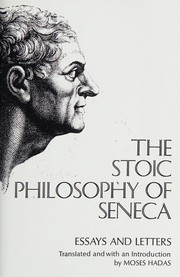 The stoic philosophy of SenecaSeneca the YoungerA timeless, conversational masterclass in finding inner stillness amidst the chaos of the external world.
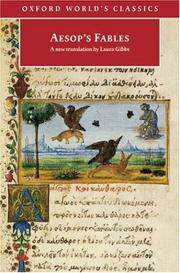 Aesop's fablesAesopA timeless collection of bite-sized allegories that use the animal kingdom to lay bare the follies and triumphs of human nature.