Books › Snow Falling on Cedars
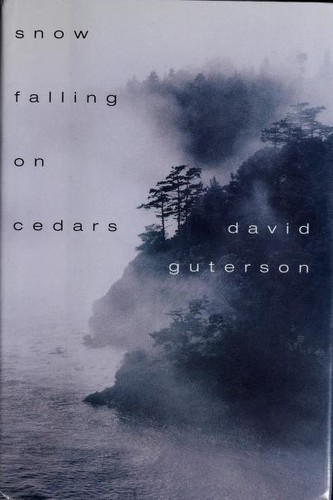
Snow Falling on Cedars
First published 1997 · 718 pages
A snow-muffled, atmospheric courtroom drama where the ghosts of war and lost love haunt a deeply divided island community.
What it feels like
Reading this novel feels like watching a heavy winter storm slowly bury a small, isolated town, creating an atmosphere that is quiet, beautiful, but undeniably suffocating. The narrative moves at a steady, deliberate pace, weaving a tense courtroom drama with deeply melancholic flashbacks to wartime trauma and a heartbreakingly fractured romance. The prose is intensely atmospheric, lingering on the sensory details of the Pacific Northwest, from the smell of cedar and freezing rain to the relentless, muffling snow. It is a deeply reflective experience that immerses you in the collective guilt and lingering prejudices of a tight-knit community. This book will captivate readers who love lyrical, slow-burn literary fiction where the landscape itself feels like a brooding, silent witness to human frailty and the difficult pursuit of justice.
- Mood
- wintry
- atmospheric
- claustrophobic
- haunting
- Tone
- somber
- reflective
- compassionate
- melancholic
- Pace
- steady
- Themes
- the weight of the past · prejudice and community · ambiguity of justice · lingering trauma of war · lost love
- The writing
- Lyrical, highly descriptive, and deeply attuned to the sensory details of the natural world.
- The arc
- Moves from a heavy, snow-muffled sense of unresolved grief and prejudice toward a quiet, morally complex acceptance.
- Who it's for
- Readers who appreciate slow-burn, atmospheric literary fiction that blends a courtroom mystery with deep historical and emotional introspection.
Content notes
- racism and xenophobia
- war violence
- internment camps
- grief and loss
About the book
On San Piedro, an island of rugged, spectacular beauty in Puget Sound, home to salmon fishermen and strawberry farmers, a Japanese-American fisherman stands trial, charged with murder. The year is 1954, and the shadow of World War II, with its brutality abroad and internment of Japanese Americans at home, hangs over the courtroom. Ishmael Cambers, who lost an arm in the Pacific war and now runs the island newspaper inherited from his father, is among the journalists covering the trial--a trial that brings him close, once again, to Hatsue Miyamoto, the wife of the accused man and Ishmael's never-forgotten boyhood love.
Now, as a heavy snowfall impedes the progress of Kabuo Miyamoto's trial, he and others must reckon with the past, with culture, nature, and love, and with the possibilities of the human will. Both suspenseful and beautifully crafted, Snow Falling on Cedars portrays the psychology of a community, the ambiguities of justice, the racism that persists even between neighbors, and the necessity of individual moral action despite the indifference of nature and circumstance.
Description from Open Library.
Books like Snow Falling on Cedars
See why they match The Buddha in the atticJulie OtsukaA hypnotic, choral incantation that gives voice to a generation of women whose lives were quietly erased by history.
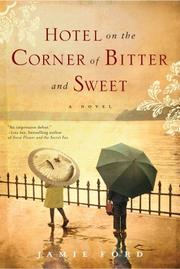 Hotel on the corner of bitter and sweetJamie FordA tender, atmospheric journey through the echoes of a fractured childhood bond and the enduring power of memory to heal old wounds.
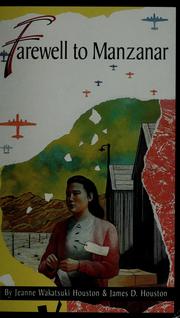 Farewell to ManzanarJeanne Wakatsuki Houston and James D. HoustonA poignant, clear-eyed memoir that filters the monumental injustice of internment through the intimate, resilient lens of a child coming of age behind barbed wire.
 WeedflowerCynthia KadohataA tender, bittersweet exploration of holding onto dreams and finding unexpected friendship in the harsh landscape of an internment camp.
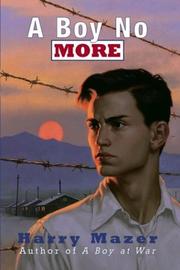 A boy no moreHarry MazerA quiet, poignant exploration of a boy forced to grow up too fast in the shadow of global conflict and personal tragedy.
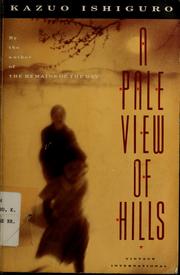 A Pale View of HillsKazuo IshiguroA quiet, unsettling exploration of memory where polite reminiscence slowly fractures to reveal the devastating weight of unspoken guilt.