Books › Stoner

Stoner
First published 1965 · 519 pages
A devastatingly beautiful portrait of an unremarkable life that will quietly break your heart and put it back together.
What it feels like
Reading this novel feels like watching dust motes dance in the afternoon light of an empty, wood-paneled office. It is a masterclass in quiet devastation, moving at a steady, unhurried pace that mirrors the slow accumulation of a life. The prose is remarkably unadorned yet luminous, stripping away melodrama to reveal the profound emotional weight of ordinary disappointments and fleeting joys. You are immersed in an atmosphere of autumnal melancholy and deep solitude, feeling the chill of a loveless marriage and the warm sanctuary of academic passion. It is a deeply compassionate reading experience that asks you to sit with the quiet tragedies of existence. This is a book for those who cherish meticulous, character-driven literature and find profound beauty in the quiet endurance of an unremarkable life.
- Mood
- autumnal
- elegiac
- solitary
- contemplative
- Tone
- melancholic
- compassionate
- stoic
- observant
- Pace
- steady
- Themes
- the dignity of an ordinary life · the sanctuary of literature · marital alienation · existential solitude · finding meaning in work
- The writing
- Luminous, unadorned, and meticulously precise, possessing a quiet perfection that elevates the mundane.
- The arc
- A quiet, lifelong descent into isolation that ultimately reveals a profound, hard-won inner peace.
- Who it's for
- Readers who appreciate deeply introspective, character-driven fiction and find beauty in the quiet tragedies of ordinary lives.
Content notes
- marital emotional abuse
- terminal illness
- grief
- infidelity
About the book
William Stoner is born at the end of the nineteenth century into a dirt-poor Missouri farming family. Sent to the state university to study agronomy, he instead falls in love with English literature and embraces a scholar’s life, so different from the hardscrabble existence he has known. And yet as the years pass, Stoner encounters a succession of disappointments: marriage into a “proper” family estranges him from his parents; his career is stymied; his wife and daughter turn coldly away from him; a transforming experience of new love ends under threat of scandal. Driven ever deeper within himself, Stoner rediscovers the stoic silence of his forebears and confronts an essential solitude.
John Williams’s luminous and deeply moving novel is a work of quiet perfection. William Stoner emerges from it not only as an archetypal American, but as an unlikely existential hero, standing, like a figure in a painting by Edward Hopper, in stark relief against an unforgiving world.
Description from Open Library.
Books like Stoner
See why they match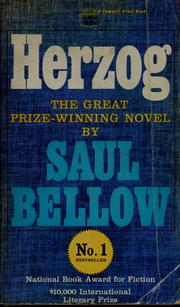 HerzogSaul BellowA feverish, brilliant plunge into the chaotic mind of a man trying to think his way out of a midlife collapse.
 Rabbit, Run(UPDIKE, John). KREITSEK, Howard B.A restless, lyrical plunge into the suffocating heart of mid-century American domesticity and the desperate urge to escape it.
 Butcher's CrossingJohn WilliamsA stark, unsparing dismantling of the American frontier myth that trades romantic idealism for bone-deep cold and blood.
 Train dreamsDenis JohnsonAn evocative, miniature epic that captures the poignant weight of an ordinary life shaped by labor and loss in the American West.
 The Grapes of WrathBoyd CableA sweeping, dust-choked epic of survival that burns with righteous indignation and radical empathy.
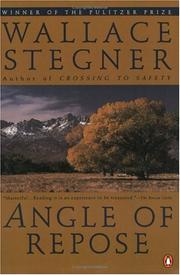 Angle of reposeWallace StegnerA sweeping, melancholic meditation on the compromises of marriage and the rugged landscapes that shape our family histories.