Books › Stumbling on happiness

Stumbling on happiness
336 pages
A hilarious and humbling tour through the blind spots of the human mind that will make you rethink everything you thought you wanted.
What it feels like
Reading this book feels like sitting next to the most entertaining, brilliantly observant guest at a dinner party. It moves at a brisk, engaging clip, effortlessly blending rigorous cognitive science with laugh-out-loud observational humor. The mood is persistently playful and deeply curious, inviting you to laugh at your own psychological blind spots rather than feel ashamed of them. The prose is sharp, witty, and completely devoid of academic jargon, making complex theories about memory and imagination feel as accessible as a chat with a smart friend. It is a mind-expanding experience that delights fans of pop-psychology who enjoy having their assumptions gently but firmly dismantled, leaving them with a profound, comforting sense of shared human irrationality.
- Mood
- curious
- lighthearted
- mind-expanding
- amused
- Tone
- wry
- witty
- conversational
- insightful
- playful
- Pace
- brisk
- Themes
- the illusion of control · flaws of human imagination · cognitive biases · the pursuit of joy · memory and perception
- The writing
- Sharp, laugh-out-loud funny, and remarkably lucid, translating complex cognitive science into highly entertaining anecdotes.
- The arc
- Moves from a playful dismantling of our deepest assumptions about the future to a comforting acceptance of our shared psychological quirks.
- Who it's for
- Curious minds who love pop-psychology and want to understand their own irrationality without feeling lectured to.
About the book
A smart and funny book by a prominent Harvard psychologist, which uses groundbreaking research and (often hilarious) anecdotes to show us why we're so lousy at predicting what will make us happy -- and what we can do about it.Most of us spend our lives steering ourselves toward the best of all possible futures, only to find that tomorrow rarely turns out as we had expected. Why? As Harvard psychologist Daniel Gilbert explains, when people try to imagine what the future will hold, they make some basic and consistent mistakes. Just as memory plays tricks on us when we try to look backward in time, so does imagination play tricks when we try to look forward. Using cutting-edge research, much of it original, Gilbert shakes, cajoles, persuades, tricks and jokes us into accepting the fact that happiness is not really what or where we thought it was. Among the unexpected questions he poses: Why are conjoined twins no less happy than the general population? When you go out to eat, is it better to order your favourite dish every time, or to try something new? If Ingrid Bergman hadn't gotten on the plane at the end of Casablanca, would she and Bogey have been better off?Smart, witty, accessible and laugh-out-loud funny, Stumbling on Happiness brilliantly describes all that science has to tell us about the uniquely human ability to envision the future, and how likely we are to enjoy it when we get there.From the Hardcover edition.
Description from Open Library.
Books like Stumbling on happiness
See why they match The how of happinessSonja LyubomirskyA scientifically grounded, deeply encouraging roadmap to taking the reins of your own well-being.
 The happiness projectGretchen RubinA structured, uplifting experiment in finding extraordinary joy within the boundaries of an ordinary life.
 HappierTal Ben-ShaharAn inspiring, scientifically grounded primer on cultivating daily joy and lasting fulfillment.
 Perfectly irrationalDan ArielyA playful, eye-opening tour through the hidden quirks and cognitive blind spots that secretly run our lives.
 The Happiness HypothesisJonathan HaidtA deeply illuminating bridge between ancient philosophy and modern neuroscience that changes how you view your own mind.
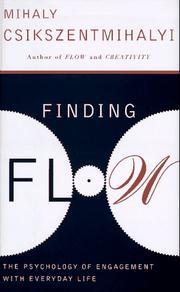 Finding flowMihaly CsikszentmihalyiA clarifying, research-backed guide to transforming everyday boredom and anxiety into deep, joyful engagement.