Books › The Happiness Hypothesis

The Happiness Hypothesis
342 pages
A deeply illuminating bridge between ancient philosophy and modern neuroscience that changes how you view your own mind.
What it feels like
Reading this book feels like sitting down with a brilliant, endlessly patient professor who genuinely wants you to understand the machinery of your own mind. The pace is steady and deliberate, allowing complex ideas from neuroscience and ancient philosophy to settle comfortably into your worldview. Haidt's famous metaphor of the elephant and the rider provides a deeply illuminating lens through which to view our daily struggles, making the mood feel both grounded and quietly hopeful. The prose is accessible and rich with metaphor, stripping away academic jargon without losing intellectual rigor. It is a deeply satisfying read for anyone who craves a profound, scientifically backed understanding of human flourishing, offering a sense of clarity that lingers long after the final page.
- Mood
- illuminating
- contemplative
- grounded
- hopeful
- Tone
- analytical
- accessible
- empathetic
- curious
- pragmatic
- Pace
- steady
- Themes
- the divided self · ancient wisdom meets modern science · the pursuit of meaning · cultivating virtue · human connection
- The writing
- Clear, engaging, and metaphor-rich, balancing academic rigor with conversational warmth.
- The arc
- Moves from a sense of internal conflict and confusion about human nature to a grounded, hopeful understanding of how to cultivate a meaningful life.
- Who it's for
- Curious minds who want to understand why they do what they do and how to live better, without relying on shallow self-help tropes.
Content notes
- discussions of depression
- discussions of trauma
About the book
Applies the latest findings in psychology and brain research to the wisdom of the ancients to define what makes people happy and how you can find more happiness in your life. Confirms and builds on the happiness formula defined by other psychologists: H=S+C+V or Happiness = your biological Setpoint + the Conditions of your life + the Voluntary activities you do
Description from Open Library.
Books like The Happiness Hypothesis
See why they match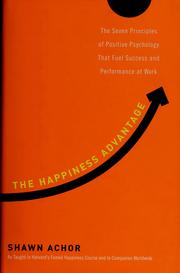 The happiness advantageShawn AchorA refreshing, science-backed permission slip to put your own joy before your ambition.
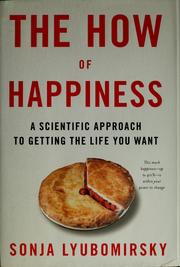 The how of happinessSonja LyubomirskyA scientifically grounded, deeply encouraging roadmap to taking the reins of your own well-being.
 Stoicism and the Art of HappinessDonald RobertsonA grounding, practical guide to applying ancient philosophical wisdom to the pursuit of modern happiness.
 The Righteous MindJonathan HaidtA paradigm-shifting journey into the human brain that completely changes how you view the people you disagree with.
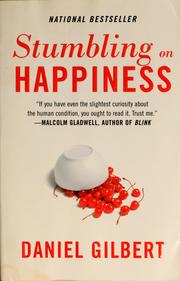 Stumbling on happinessDaniel GilbertA hilarious and humbling tour through the blind spots of the human mind that will make you rethink everything you thought you wanted.
 The Happiness ProjectGretchen RubinA structured, uplifting roadmap to finding extraordinary joy in an ordinary life.