Books › Sygdommen til døden

Sygdommen til døden
256 pages
A relentless, intellectually demanding plunge into the depths of human despair and the agonizing burden of becoming a self.
What it feels like
Reading this book feels like being cornered by a brilliant, uncompromising diagnostician of the human soul. The pace is steady and demanding, requiring you to slow down and wrestle with dense, paradoxical sentences that spiral deeper and deeper into the mechanics of existential dread. The mood is undeniably heavy, often oppressive, as it strips away the comforting illusions of everyday life to expose the universal reality of spiritual alienation. Yet, beneath the dread-soaked atmosphere and rigorous dialectics lies a profound, urgent earnestness. It is an intellectually exhausting but deeply rewarding experience, delighting readers who want to confront the darkest corners of their own psychology and emerge with a sharper understanding of what it means to truly exist.
- Mood
- oppressive
- introspective
- dread-soaked
- spiritually heavy
- Tone
- analytical
- uncompromising
- urgent
- earnest
- dialectical
- Pace
- steady
- Themes
- the burden of selfhood · existential alienation · the anatomy of despair · spiritual crisis · the leap of faith
- The writing
- Dense, paradoxical, and relentlessly methodical, demanding deep concentration to untangle its spiraling psychological insights.
- The arc
- Begins in the suffocating grip of universal despair and spirals toward the daunting, radical hope of spiritual surrender.
- Who it's for
- Philosophically minded readers who crave rigorous, uncompromising explorations of existential dread and the human soul.
Content notes
- existential dread
- suicidal ideation
- psychological distress
About the book
The 'sickness' which Kierkegaard's book refers to as 'unto death' is resistance to this belief. It is the inclination to accept that as far as the individual is concerned, death is indeed the end. Now why should Kierkegaard want to call that a sickness? After all, even in his own time there must have been people strong both in might and body who rejected the Christian teaching of sin and salvation, and who faced what they accepted as total extinction with equanimity. And today, of course, even in societies that once proudly professed Christian principles, the rejection of Christian belief--or at least the failure unequivocally to accept it--is the rule rather than the exception. So in what sense can the denial of Christian dogma constitute an illness?
Description from Open Library.
Books like Sygdommen til døden
See why they match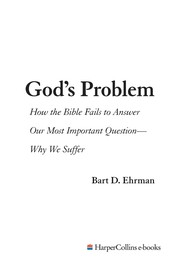 God's ProblemBart D. EhrmanA deeply personal and intellectually rigorous exploration of the ultimate theological stumbling block: why we suffer.
 Sur les Cimes du DesespoirE. M. CioranA feverish, aphoristic meditation on the agony of consciousness that transforms suicidal despair into a darkly comic, lyrical will to live.
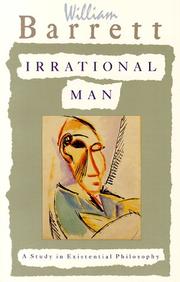 Irrational manWilliam BarrettA wry, contemplative journey into the heart of existentialism, challenging the reader to wake up to their own life before it is over.
 The Myth of Sisyphus and Other EssaysAlbert CamusA lyrical and defiant meditation on finding meaning and joy in a universe that refuses to offer any.
 Twilight of the Idols and The AntichristFriedrich Wilhelm NietzscheA blistering, hammer-swinging assault on everything you thought was sacred, true, or good.
 Der AntichristFriedrich NietzscheA blistering, unapologetic philosophical hammer taken to the foundations of Western morality.