Books › Symboler

Symboler
First published 1974 · 770 pages
A methodical and deeply structured exploration of the visual language that connects human cultures.
What it feels like
Reading this book feels like stepping into a meticulously organized archive of human expression. It offers a steady, intellectual journey through the history and function of graphic symbols, grounding the reader in the fascinating mechanics of visual communication. The mood is deeply curious yet highly orderly, driven by a unique classification system that allows readers to decode images based on their visible characteristics. Rather than a traditional narrative, the experience is one of browsing, discovering, and connecting the dots between ancient picture-writing and modern insignia. The prose is clear, academic, and encyclopedic, serving as a reliable guide through cultural history. It is a deeply satisfying reference for anyone captivated by semiotics, design, and the hidden meanings embedded in the shapes we see every day.
- Mood
- intellectual
- curious
- orderly
- Tone
- academic
- analytical
- informative
- methodical
- Pace
- steady
- Themes
- visual communication · cultural history · semiotics · the power of imagery
- The writing
- Methodical and encyclopedic, prioritizing clear categorization and historical context over narrative flair.
- The arc
- Moves from visual curiosity to intellectual clarity as the hidden meanings of shapes are systematically decoded.
- Who it's for
- Readers fascinated by semiotics, graphic design, and the historical evolution of human communication.
About the book
This is a dictionary of graphic symbols, unique in that the symbols may be accessed by identifying four visible characteristics, with an introduction discussing the function of graphic symbols, their cultural history, and more.
Description from Open Library.
Books like Symboler
See why they match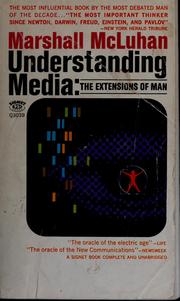 Understanding MediaMarshall McLuhanA visionary, paradigm-shifting exploration that permanently alters how you perceive the invisible technological environments shaping human consciousness.
 Theory of Semiotics (Advances in Semiotics)Umberto EcoA rigorous, cerebral deep-dive into the hidden architecture of meaning and the invisible codes that govern human communication.
 Lost in translationElla Frances SandersA charming, illustrated cabinet of linguistic curiosities that captures the beautiful, untranslatable feelings of being human.
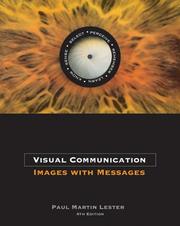 Visual CommunicationPaul Martin LesterAn analytical and eye-opening journey into the mechanics of how we see and interpret the modern media landscape.
 ManwatchingHarper Collins PublishersA fascinating, zoological lens applied to the everyday twitches, postures, and unspoken signals of the human animal.
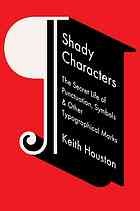 Shady charactersKeith HoustonA delightful, nerdy romp through the hidden histories of the symbols we type every day.