Books › Techniques of financial analysis
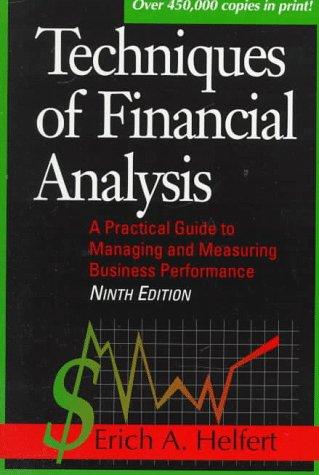
Techniques of financial analysis
First published 1963 · 608 pages
A rigorous, no-nonsense masterclass in decoding the financial mechanics that drive corporate success.
What it feels like
Reading this foundational text feels like stepping into a well-lit, quiet boardroom where the complex machinery of corporate finance is methodically disassembled and explained. The pace is deliberately steady, demanding focus as it builds a rigorous framework for understanding cash flows, ratio analysis, and capital investment. There is no narrative fluff here; the tone is strictly authoritative, pragmatic, and deeply analytical. Instead of an emotional journey, the reader experiences a satisfying intellectual arc, moving from the daunting complexity of financial statements to a clear, structured mastery of business valuation. It is a deeply satisfying read for pragmatic minds, delighting business students, managers, and analysts who crave a systematic, no-nonsense approach to decoding the financial realities of the corporate world.
- Mood
- focused
- professional
- structured
- academic
- Tone
- authoritative
- pragmatic
- analytical
- objective
- instructive
- Pace
- steady
- Themes
- systematic problem-solving · financial literacy · corporate mechanics · value creation · strategic decision-making
- The writing
- The writing is clear, dense, and highly structured, prioritizing precision and practical application over stylistic flourish.
- The arc
- The reader moves from feeling overwhelmed by financial complexity to experiencing a grounded sense of analytical mastery and professional confidence.
- Who it's for
- Business students, managers, and aspiring financial analysts seeking a foundational, no-nonsense framework for understanding corporate valuation and cash flow.
About the book
Techniques of Financial Analysis, Sixth Edition approaches business as a system of fundamentals which is activated by management decisions, investment, operations and financing. The ValueSource software is essential to analyze your firm's financial performance, financial budgets, business dynamics and business value. This thoroughly updated and revised bestseller is a practical action guide to: managing for shareholder value; understanding your business system; analyzing and projecting financial performance; evaluating capital investments; understanding the cost of capital; choosing financing alternatives; valuing a business and its parts.
Description from Open Library.
Books like Techniques of financial analysis
See why they match Analysis for financial managementRobert C. HigginsA pragmatic, demystifying journey through the mechanics of corporate finance that turns intimidating numbers into strategic power.
 Principles of corporate financeBrealey, Richard and Stewart C. Myers; MA rigorous, structured journey into the mechanics of value, risk, and corporate decision-making.
 Fundamentals of financial managementBrighamA methodical, clear-eyed demystification of corporate finance that turns daunting numbers into a logical language.
 Technical analysis of stock trendsRobert D. Edwards and John MageeA rigorous, foundational masterclass in decoding the hidden language of market charts and human speculation.
 Financial intelligence for entrepreneursKaren Berman and Joe KnightA clarifying, jargon-free guide that transforms the intimidating world of balance sheets into a toolkit for confident business leadership.
 Financial ManagementEugene F. Brigham and Michael C. EhrhardtA rigorous, comprehensive immersion into the mechanics of corporate wealth creation and financial strategy.