Books › Tender Buttons

Tender Buttons
First published 1965 · 153 pages
An experimental, stream-of-consciousness immersion into the hidden expressive power of everyday language.
What it feels like
This is a deeply experimental and meandering exploration of language that invites the reader to abandon conventional meaning. Through a stream-of-consciousness flow, words are clustered, juxtaposed, and playfully redefined to subvert their watered-down, everyday usage. The mood is abstract and surreal, focusing intensely on the linguistic texture of objects, food, and rooms rather than narrative plot. The prose itself is the puzzle, challenging the reader to experience the raw, expressive force of American English in entirely new ways. It is a subversive, poetic journey that will delight lovers of modern poetry and avant-garde literature who want to see the boundaries of prose pushed to their absolute limits, finding fresh resonance in the mundane.
- Mood
- abstract
- surreal
- introspective
- Tone
- experimental
- playful
- subversive
- contemplative
- Pace
- meandering
- Themes
- the nature of language · redefining the mundane · linguistic expression · domestic objects and spaces
- The writing
- A stream-of-consciousness flow of clustered and juxtaposed words designed to subvert common meanings.
- The arc
- A journey of linguistic disorientation that gradually transforms into a renewed appreciation for the expressive force of everyday words.
- Who it's for
- Readers who enjoy experimental modern poetry and stream-of-consciousness prose that challenges the boundaries of language.
About the book
Gertrude Stein's Tender Buttons: Objects, Food, Rooms from 1914 is a poetic exploration of words - clustered, juxtaposed, redefined and played off one another - to subterfuge their common meanings, which Stein felt had become watered down, and to re-infuse them with expressive force.
Description from Open Library.
Books like Tender Buttons
See why they match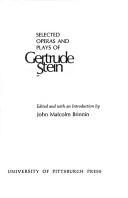 Operas and PlaysGertrude SteinAn immersive dive into the definitive, experimental theatrical statements of a modernist icon.
 Three LivesGertrude SteinA hypnotic, linguistically radical exploration of the quiet tragedies and psychological entrapments of three ordinary women.
 The wild irisLouise GluckA haunting, polyphonic conversation between a gardener, the earth, and the divine, blooming with quiet devastation.
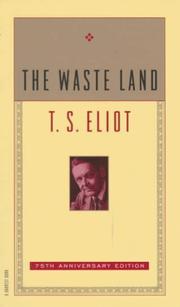 The Waste LandT. S. EliotA haunting, kaleidoscopic descent into the fractured psyche of a post-war world searching for a drop of spiritual water.
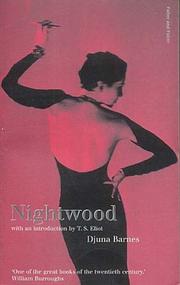 NightwoodDjuna BarnesA fever dream of nocturnal wanderings and agonizing erotic obsession, told in lush, labyrinthine prose.
 Blue horsesMary OliverA quiet, luminous invitation to step outside, breathe deeply, and fall in love with the world all over again.