Books › The Waste Land
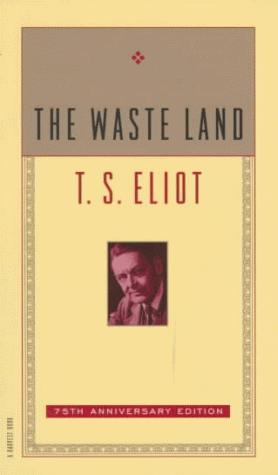
The Waste Land
485 pages
A haunting, kaleidoscopic descent into the fractured psyche of a post-war world searching for a drop of spiritual water.
What it feels like
Reading this monumental poem feels like wandering through the ruins of Western civilization, guided by a chorus of ghosts. The experience is intentionally disorienting, demanding that you surrender to its meandering, fragmented rhythm rather than searching for a straightforward narrative. It is a dense, polyvocal collage where high myth collides with gritty pub chatter, creating an atmosphere that is at once deeply melancholic and intellectually exhilarating. The mood is steeped in post-war disillusionment, wrapping the reader in a desolate, surreal landscape that aches for spiritual renewal. It will profoundly delight lovers of modernist literature, literary puzzle-solvers, and anyone who finds a strange, haunting beauty in the shattered pieces of history and human connection.
- Mood
- desolate
- haunting
- apocalyptic
- surreal
- claustrophobic
- Tone
- bleak
- prophetic
- disillusioned
- scholarly
- polyvocal
- Pace
- meandering
- Themes
- cultural decay · spiritual barrenness · alienation in the modern world · the weight of history · cyclical death and rebirth
- The writing
- A dense, kaleidoscopic collage of classical allusions, shifting linguistic registers, and hauntingly musical free verse.
- The arc
- Moves from a profound sense of post-war despair and cultural fragmentation toward a desperate, ambiguous plea for spiritual peace.
- Who it's for
- Readers who love untangling complex, deeply symbolic puzzles and immersing themselves in the melancholic, demanding beauty of modernist literature.
Content notes
- death
- war trauma
- depression
- allusions to sexual assault
About the book
"THE WASTE LAND" BY T.S. ELIOT, A SEMINAL WORK OF MODERNIST POETRY, EXPLORES THEMES OF BROKENNESS, LOSS, AND THE MEANINGLESSNESS OF MODERN LIFE, USING FRAGMENTED LANGUAGE, ALLUSIONS, AND A NON-LINEAR STRUCTURE TO CONVEY ITS MESSAGE. KEY ASPECTS OF "THE WASTE LAND": THEMES: BROKENNESS AND ISOLATION: THE POEM DEPICTS A WORLD CHARACTERIZED BY ALIENATION, DESPAIR, AND LACK OF CONNECTION. DEATH AND REBIRTH: THE POEM EXPLORES THE CYCLICAL NATURE OF LIFE AND DEATH, WITH HINTS OF POTENTIAL RENEWAL AMIDST THE DESOLATION. RELIGION, SPIRITUALITY, AND NIHILISM: ELIOT GRAPPLES WITH THE DECLINE OF TRADITIONAL RELIGIOUS FAITH AND THE RISE OF NIHILISM IN THE MODERN WORLD. SEX, LUST, AND IMPOTENCE: POEM TOUCHES ON THEMES OF SEXUALITY, DESIRE, AND THE INABILITY TO FIND FULFILLMENT. MEMORY AND THE PAST: THE POEM USES FRAGMENTED MEMORIES AND ALLUSIONS TO PAST LITERARY WORKS TO CREATE A SENSE OF HISTORICAL CONTEXT AND DECAY. CONTEXTS: MODERNISM: "THE WASTE LAND" AQUINTESSENTIAL EXAMPLE OF MODERNIST POETRY, CHARACTERIZED BY ITS EXPERIMENTAL FORM, FRAGMENTED NARRATIVE, AND FOCUS ON THE SUBJECTIVE EXPERIENCE. WORLD WAR 1: THE POEM REFLECTS THE TRAUMA AND DISILLUSIONMENT OF THE FIRST WORLD WAR, WHICH LEFT A PROFOUND IMPACT ON THE POST-WAR GENERATION. LITERARY ALLUSIONS: ELIOT DRAWS HEAVILY ON A WIDE RANGE OF LITERARY SOURCES, INCLUDING CLASSICAL MYTHOLOGY, ARTHURIAN LEGENDS, AND RELIGIOUS TEXTS, TO CREATE A RICH TAPESTRY OF MEANING. CRITICISM: EZRA POUND, A FELLOW POET AND FRIEND OF ELIOT, PLAYED A CRUCIAL ROLE IN EDITING AND SHAPING THE POEM. NORTON CRITICAL EDITION: THE NORTON CRITICAL EDITION PROVIDES AN AUTHORITATIVE TEXT, CONTEXTUAL MATERIALS, AND CRITICAL ESSAYS TO AID READERS IN UNDERSTANDING THE POEM. RECEPTION: "THE WASTE LAND" HAS BEEN THE SUBJECT OF EXTENSIVE CRITICAL ANALYSIS AND DEBATE, WITH SCHOLARS OFFERING VARIOUS INTERPRETATIONS OF ITS MEANING AND SIGNIFICANCE. STRUCTURE AND STYLE: FRAGMENTED NARRATIVE: THE POEM'S STRUCTURE IS DELIBERATELY FRAGMENTED AND NON-LINEAR, REFLECTING THE DISJOINTED NATURE OF MODERN LIFE. FREE VERSE: ELIOT USES FREE VERSE, ABANDONING TRADITIONAL POETIC FORMS, TO CREATE A SENSE OF IMMEDIACY AND SPONTANEITY. MULTIPLE VOICES: THE POEM FEATURES A CHORUS OF VOICES, EACH CONTRIBUTING TO THE OVERALL SENSE OF DECAY AND FRAGMENTATION. IN SUMMARY: "THE WASTE LAND" IS A COMPLEX AND CHALLENGING POEM THAT CONTINUES TO RESONATE WITH READERS TODAY. IT EXPLORES THE THEMES OF BROKENNESS, LOSS, AND THE MEANINGLESSNESS OF MODERN LIFE THROUGH A UNIQUE BLEND OF FRAGMENTED LANGUAGE, ALLUSIONS, AND A NON-LINEAR STRUCTURE.
Description from Open Library.
Books like The Waste Land
See why they match Collected Poems, 1909-1962Thomas Stearns EliotA haunting, erudite journey through the fragmented psyche of the modern world, searching for spiritual water in a cultural wasteland.
 The cocktail partyThomas Stearns EliotA witty drawing-room comedy that peels back its conversational layers to reveal a profound, poetic search for meaning.
 The marriage of Heaven and HellWilliam BlakeA fiery, hallucinatory descent into the underworld that flips conventional morality on its head to celebrate the holiness of raw desire.
 Where the Dreams CrossChinmoy GuhaA thrilling, paradigm-shifting literary investigation into the hidden cross-cultural origins of modernist poetry.
 Four quartetsT. S. EliotA haunting, musical meditation on time, memory, and the search for spiritual stillness in a fractured world.
 Tender ButtonsAudre LordeAn experimental, stream-of-consciousness immersion into the hidden expressive power of everyday language.