Books › The 1619 Project
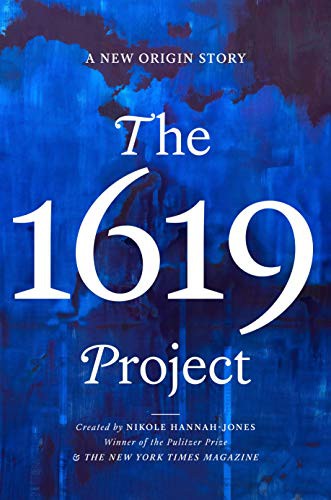
The 1619 Project
624 pages
An unflinching, paradigm-shifting reckoning with the roots of American society that demands you look history squarely in the eye.
What it feels like
Reading this collection feels like having a veil lifted, revealing the deep, complex root system beneath the surface of American life. The pace is steady and deliberate, asking you to sit with heavy, sobering truths as a chorus of brilliant voices dismantle long-held myths. The mood is undeniably weighty and often grief-stricken, yet it pulses with an urgent, defiant energy that refuses to look away. The prose shifts from razor-sharp journalistic analysis to deeply moving, lyrical interludes, creating a rich, multi-textured reading experience. It is a profound, emotionally demanding journey that moves from historical outrage to a clear-eyed understanding of the present, perfect for readers who want to fundamentally reshape their understanding of the nation's origins.
- Mood
- sobering
- reflective
- heavy
- illuminating
- defiant
- Tone
- authoritative
- urgent
- unflinching
- impassioned
- Pace
- steady
- Themes
- systemic legacy · historical memory · roots of inequality · resilience and resistance · redefining patriotism
- The writing
- The prose is a masterful blend of rigorous journalistic inquiry, evocative historical narrative, and deeply moving literary interludes.
- The arc
- Moves from a profound sense of historical grief and outrage to a resolute, clear-eyed understanding of the present and a demand for a more truthful future.
- Who it's for
- Readers who crave a paradigm-shifting understanding of American history and are willing to sit with uncomfortable truths to grasp the roots of contemporary society.
Content notes
- racism
- enslavement
- systemic violence
- racial trauma
- historical atrocities
About the book
"The animating idea of The 1619 Project is that our national narrative is more accurately told if we begin not on July 4, 1776, but in late August of 1619, when a ship arrived in Jamestown bearing a cargo of twenty to thirty enslaved people from Africa. Their arrival inaugurated a barbaric and unprecedented system of chattel slavery that would last for the next 250 years. This is sometimes referred to as the country's original sin, but it is more than that: It is the country's very origin. The 1619 Project tells this new origin story, placing the consequences of slavery and the contributions of Black Americans at the center of the story we tell ourselves about who we are as a country. Orchestrated by the editors of The New York Times Magazine, led by MacArthur "genius" and journalist Nikole Hannah-Jones, this collection of essays and historical vignettes includes some of the most outstanding journalists, thinkers, and scholars of American history and culture--including Linda Villarosa, Jamelle Bouie, Jeneen Interlandi, Matthew Desmond, Wesley Morris, and Bryan Stevenson. Together, their work shows how the tendrils of 1619--of slavery and resistance to slavery--reach into every part of our contemporary culture, from voting, housing and healthcare, to the way we sing and dance, the way we tell stories, and the way we worship. Interstitial works of flash fiction and poetry bring the history to life through the imaginative interpretations of some of our greatest writers. The 1619 Project ultimately sends a very strong message: We must have a clear vision of this history if we are to understand our present dilemmas. Only by reckoning with this difficult history and trying as hard as we can to understand its powerful influence on our present, can we prepare ourselves for a more just future"--
Description from Open Library.
Books like The 1619 Project
See why they match Stamped from the BeginningIbram X. KendiA monumental, paradigm-shifting journey through the intellectual history of American racism that demands a fundamental rewiring of how you view the present.
 Four Hundred SoulsIbram X. Kendi and Keisha N. BlainA sweeping, collective journey through four centuries of struggle, resilience, and cultural memory in America.
 These TruthsJill LeporeA sweeping, lyrical reckoning with the American experiment that measures the nation's brutal realities against its founding ideals.
 The Half Has Never Been ToldEdward E. BaptistA devastating, paradigm-shifting history that forces a reckoning with the blood and bone upon which American wealth was built.
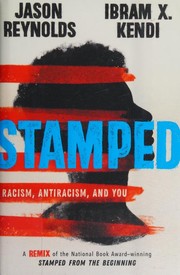 StampedJason Reynolds and Ibram X. KendiA rhythmic, conversational dismantling of American history that reads less like a textbook and more like an urgent, eye-opening chat with a brilliant friend.
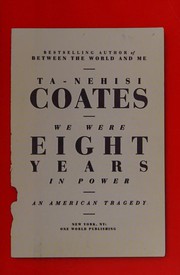 We Were Eight Years in PowerTa-Nehisi CoatesA fierce, lyrical reckoning with American history that bridges the personal and the political with devastating clarity.