Books › The Half Has Never Been Told
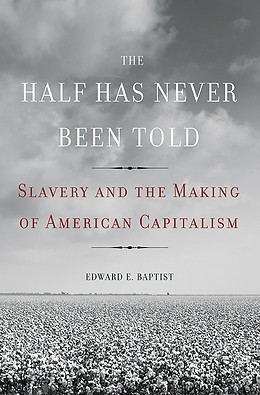
The Half Has Never Been Told
Slavery and the Making of American Capitalism
560 pages
A devastating, paradigm-shifting history that forces a reckoning with the blood and bone upon which American wealth was built.
What it feels like
Reading this book is a profoundly sobering and paradigm-shifting experience. It moves at a steady, deliberate pace, demanding that you sit with the heavy, harrowing realities of America's economic foundations. The prose is authoritative yet deeply impassioned, weaving meticulous archival research with the visceral, intimate narratives of enslaved people to ensure their humanity is never lost in the data. The atmosphere is thick with historical weight and a sense of urgent revelation, stripping away comforting national myths to expose the brutal machinery of early capitalism. It is a challenging, emotionally taxing read, but an essential one for those who want to understand the deep, unhealed scars of systemic exploitation and the true cost of modern prosperity.
- Mood
- sobering
- harrowing
- revelatory
- heavy
- Tone
- unflinching
- authoritative
- impassioned
- urgent
- Pace
- steady
- Themes
- the human cost of capitalism · systemic exploitation · historical memory · the commodification of bodies · erasure and legacy
- The writing
- Rigorous and deeply researched, yet driven by a narrative urgency that centers the visceral, lived experiences of the enslaved.
- The arc
- Moves from a sense of profound historical shock to a deep, lingering outrage over the foundational cruelties of modern wealth.
- Who it's for
- Readers seeking a radical, unvarnished reexamination of American history who aren't afraid to confront the brutal economic realities of the nation's founding.
Content notes
- slavery
- torture
- sexual violence
- systemic racism
- physical abuse
- child separation
About the book
Americans tend to cast slavery as a pre-modern institution —the nation's original sin, perhaps, but isolated in time and divorced from America's later success—. But to do so robs the millions who suffered in bondage of their full legacy. As historian Edward E. Baptist reveals in the prizewinning The Half Has Never Been Told, the expansion of slavery in the first eight decades after American independence drove the evolution and modernization of the United States. In the span of a single lifetime, the South grew from a narrow coastal strip of worn-out tobacco plantations to a continental cotton empire, and the United States grew into a modern, industrial, and capitalist economy.
Told through intimate slave narratives, plantation records, newspapers, and the words of politicians, entrepreneurs, and escaped slaves, The Half Has Never Been Told offers a radical new interpretation of American history.
Description from Open Library.
Books like The Half Has Never Been Told
See why they match Empire of cottonSven BeckertAn unflinching, sweeping examination of the brutal economic engine that built the modern world.
 Stamped from the BeginningIbram X. KendiA monumental, paradigm-shifting journey through the intellectual history of American racism that demands a fundamental rewiring of how you view the present.
 The 1619 ProjectNikole Hannah-JonesAn unflinching, paradigm-shifting reckoning with the roots of American society that demands you look history squarely in the eye.
 Slavery by another nameDouglas A. BlackmonA devastating, meticulously documented reckoning that shatters the myth of emancipation and exposes the brutal machinery of systemic exploitation.
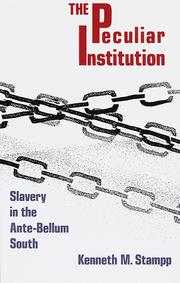 The peculiar institutionKenneth M. StamppA rigorous, myth-shattering historical examination that lays bare the brutal economic realities of American slavery.
 From slavery to freedomJohn Hope FranklinA monumental and deeply dignified exploration of resilience, tracing the long and ongoing struggle for Black liberation and cultural triumph.