Books › The age of American unreason

The age of American unreason
364 pages
A fierce, erudite wake-up call for a culture drowning in infotainment and willful ignorance.
What it feels like
Reading this book feels like sitting down with a brilliantly sharp, deeply frustrated professor who is finally saying the quiet part out loud. It is a steady, sobering immersion into the mechanics of cultural decline, driven by an impassioned defense of logic and evidence. The prose is fiercely articulate and laced with mordant wit, demanding your full intellectual engagement as it dissects the modern landscape of infotainment and pseudo-thought. The mood is undeniably urgent, steeped in a palpable frustration with societal amnesia, yet it never devolves into mere cynicism. Instead, it offers a rigorous, tough-minded clarity that will deeply satisfy readers who crave unapologetic cultural critique and yearn for a return to substantive public discourse.
- Mood
- sobering
- frustrated
- provocative
- urgent
- Tone
- mordant
- impassioned
- unsparing
- intellectual
- urgent
- Pace
- steady
- Themes
- erosion of critical thought · seduction of infotainment · cultural amnesia · cost of anti-intellectualism · defense of secular reason
- The writing
- Sharp, erudite, and fiercely articulate, blending historical analysis with biting contemporary critique.
- The arc
- Moves from a simmering frustration at cultural decline to an urgent, impassioned plea for intellectual reclamation.
- Who it's for
- Readers who lament the decline of public discourse and crave rigorous, unapologetic cultural criticism.
Content notes
- political frustration
- cultural pessimism
About the book
Combining historical analysis with contemporary observation, Susan Jacoby dissects a new American cultural phenomenon--one that is at odds with our heritage of Enlightenment reason and with modern, secular knowledge and science. With mordant wit, she surveys an anti-rationalist landscape extending from pop culture to a pseudo-intellectual universe of "junk thought." Disdain for logic and evidence defines a pervasive malaise fostered by the mass media, triumphalist religious fundamentalism, mediocre public education, a dearth of fair-minded public intellectuals on the right and the left, and, above all, a lazy and credulous public.Jacoby offers an unsparing indictment of the American addiction to infotainment--from television to the Web--and cites this toxic dependency as the major element distinguishing our current age of unreason from earlier outbreaks of American anti-intellectualism and anti-rationalism. With reading on the decline and scientific and historical illiteracy on the rise, an increasingly ignorant public square is dominated by debased media-driven language and received opinion.At this critical political juncture, nothing could be more important than recognizing the "overarching crisis of memory and knowledge" described in this impassioned, tough-minded book, which challenges Americans to face the painful truth about what the flights from reason has cost us as individuals and as a nation.From the Hardcover edition.
Description from Open Library.
Books like The age of American unreason
See why they match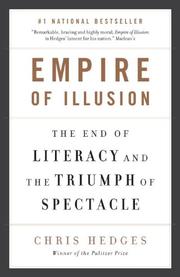 Empire of illusionChris HedgesA fierce, prophetic dismantling of modern entertainment that leaves you questioning the very fabric of the reality you consume.
 Amusing Ourselves to DeathNeil PostmanA chillingly prescient autopsy of how society traded critical thought for endless, comfortable distraction.
 The death of expertiseThomas M. NicholsA sharp, exasperated diagnosis of our modern information crisis that validates your frustration with the 'do your own research' era.
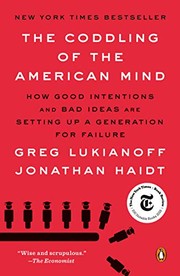 The Coddling of the American MindGreg Lukianoff and Jonathan HaidtAn urgent, analytical deep-dive into the cultural shifts reshaping childhood, campus life, and American discourse.
 TechnopolyNeil PostmanA sharp, prophetic warning about the ways our tools have quietly become our masters, delivered with wit and humanist warmth.
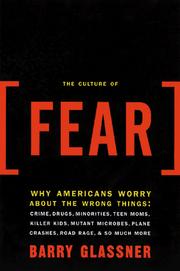 The Culture of FearBarry GlassnerA sharp, sociological diagnosis of how our anxieties are manufactured and a rallying cry to reclaim our rationality.