Books › The death of expertise

The death of expertise
272 pages
A sharp, exasperated diagnosis of our modern information crisis that validates your frustration with the 'do your own research' era.
What it feels like
Reading this book feels like sitting down with a brilliant, deeply exasperated professor who is finally saying the quiet part out loud. It moves at a brisk, polemical pace, fueled by a palpable frustration with the modern 'do your own research' culture. The mood is both intellectually stimulating and undeniably alarmed, wrapping the reader in a sobering atmosphere of democratic crisis. Nichols writes with sharp, accessible prose that bridges the gap between academic rigor and op-ed punchiness, making complex sociological shifts feel immediate and personal. It is a deeply validating experience for anyone exhausted by the internet's flattening of truth, offering a rigorous, articulate framework for understanding how we arrived at an era where every opinion demands equal weight.
- Mood
- alarmed
- intellectually stimulating
- pessimistic
- urgent
- Tone
- exasperated
- authoritative
- wry
- urgent
- polemical
- Pace
- brisk
- Themes
- devaluation of knowledge · illusion of competence · anti-intellectualism · crisis of democratic discourse · information overload
- The writing
- Sharp, accessible, and persuasive, blending academic rigor with the punchy, no-nonsense clarity of a seasoned op-ed writer.
- The arc
- Begins with a relatable frustration over internet arguments and deepens into a profound, sobering alarm for the survival of informed democracy.
- Who it's for
- Anyone who has ever felt their blood pressure rise during a social media debate and craves a rigorous, articulate validation of their frustration.
Content notes
- political polarization
- discussion of misinformation
About the book
A cult of anti-expertise sentiment has coincided with anti-intellectualism, resulting in massively viral yet poorly informed debates ranging from the anti-vaccination movement to attacks on GMOs. As Tom Nichols shows in The Death of Expertise, there are a number of reasons why this has occurred-ranging from easy access to Internet search engines to a customer satisfaction model within higher education.
"Thanks to technological advances and increasing levels of education, we have access to more information than ever before. Yet rather than ushering in a new era of enlightenment, the information age has helped fuel a surge in narcissistic and misguided intellectual egalitananism that has crippled informed debates on any number of issues. Today, everyone knows everything: with only a quick trip through WebMD or Wikipedia, average citizens believe themselves to be on an equal intellectual footing with doctors and diplomats. All voices, even the most ridiculous, demand to be taken with equal seriousness, and any claim to the contrary is dismissed as undemocratic elitism. As Tom Nichols shows in The Death of Expertise, this rejection of experts has occurred for many reasons, including the openness of the Internet, the emergence of a customer satisfaction model in higher education, and the transformation of the news industry into a 24-hour entertainment machine. Paradoxically, the increasingly democratic dissemination of information, rather than producing an educated public, has instead created an army of ill-informed and angry citizens who denounce intellectual achievement and distrust experts. Nichols has deeper concerns than the current rejection of expertise and learning, noting that when ordinary citizens believe that no one knows more than anyone else, democratic institutions themselves are in danger of falling either to populism or to technocracy---or in the worst case, a combination of both. The Death of Expertise is not only an exploration of a dangerous phenomenon but also a warning about the stability and survival of modern democracy in the Information Age."--Jacket.
Description from Open Library.
Books like The death of expertise
See why they match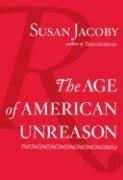 The age of American unreasonSusan JacobyA fierce, erudite wake-up call for a culture drowning in infotainment and willful ignorance.
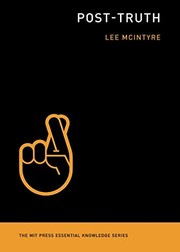 Post-truthLee C. McIntyreA sobering but empowering intellectual toolkit for navigating an era where feelings are weaponized against facts.
 The Madness of CrowdsDouglas MurrayA sharp, provocative dissection of modern cultural orthodoxies that serves as an intellectual battle cry against the exhaustion of the culture wars.
 This Is Not PropagandaPeter PomerantsevA dizzying, globe-trotting descent into the funhouse mirror of modern disinformation and the weaponization of reality.
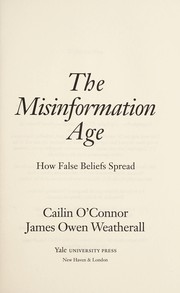 The misinformation ageCailin O'ConnorAn analytical deep dive into the social machinery that allows false beliefs to thrive in the modern world.
 Excellent SheepWilliam DeresiewiczA sharp, impassioned wake-up call that challenges the relentless pursuit of prestige in favor of genuine self-discovery.