Books › The Age of Reason
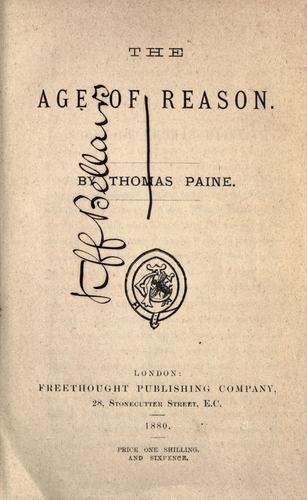
The Age of Reason
Being an Investigation of True and Fabulous Theology
432 pages
A fiery, plainspoken dismantling of religious dogma that champions the liberating power of human intellect.
What it feels like
Reading this foundational Enlightenment text feels like sitting across from a brilliant, fiercely uncompromising debater who refuses to let tradition stand in for truth. The pace is steady and deliberate, driven by a propulsive intellectual energy rather than narrative action. Paine's prose is famously accessible, stripping away academic jargon to deliver sharp, plainspoken critiques of religious dogma with a defiant, almost revolutionary zeal. The mood is charged with the electric atmosphere of the late eighteenth century, steeped in rationalism and a profound optimism about human reason. It is an invigorating, sometimes confrontational read that will delight skeptics, history enthusiasts, and anyone drawn to the enduring power of a meticulously constructed, unapologetically controversial argument.
- Mood
- intellectual
- charged
- revolutionary
- contemplative
- Tone
- polemical
- earnest
- defiant
- rational
- persuasive
- Pace
- steady
- Themes
- supremacy of reason · questioning authority · dismantling dogma · intellectual freedom · search for truth
- The writing
- Clear, forceful, and famously accessible, utilizing plain language to democratize complex theological arguments.
- The arc
- Moves from a calm assertion of personal deistic belief to a fiery, rigorous deconstruction of established religious texts.
- Who it's for
- Skeptics, history enthusiasts, and readers fascinated by Enlightenment philosophy and the intellectual foundations of secularism.
Content notes
- religious critique
- anti-clericalism
About the book
Thomas Paine who was a dynamic philosophical presence in the American Revolution of 1776 wrote his last book in 1795 on an investigation and commentary of organized religion with a focus on Christianity. Paine said that his "religious duties" included doing justice, loving benevolence, and attempting to make others happy. He called himself a deist which is a person who believes in the existence of a God based on the evidence of reason and nature but not on supernatural revelation. In this book he outlines deism as a rational religious belief and offers an analysis of the Bible based on textual content. He makes comparisons of the internal arguments of the Old and New Testaments by explaining, for example, inconsistencies of the biographic accounts in the four gospels. Paine suggests that since they were written separate of each other their basis is no better than hearsay. Because the United States convicted Paine of seditious libel in 1792, he escaped to France where he was selected to be a member of its National Convention. But there he conflicted with Robespierre, and while awaiting his arrest he wrote the first part of "The Age of Reason." Afterwards he was confined in Luxembourg and wrote the second half of the book. The work was published in 1795 and serves as a criticism of established religion from the point of view of the 18th century deists. Paine's clear and concise understanding of the development of the Christian religion from its pagan origins is especially significant when the reader examines the interconnecting references and implications of superstition and fallacy that are still involved in any ceremonial aspect. And, finally, Thomas Paine explains the answer to any confrontation best of all: "The most formidable weapon against errors of every kind is Reason."Please Note: This book is easy to read in true text, not scanned images that can sometimes be difficult to decipher. The Microsoft eBook has a contents page linked to the chapter headings for easy navigation. The Adobe eBook has bookmarks at chapter headings and is printable up to two full copies per year. Both versions are text searchable.
Description from Open Library.
Books like The Age of Reason
See why they match Rights of ManThomas PaineA fiery, foundational defense of human dignity that dismantles the divine right of kings with sharp, accessible rhetoric.
 Common SenseThomas PaineA fiery, plainspoken match struck in the dark of political complacency, designed to ignite a revolution.
 Life and Morals of Jesus of NazarethThomas JeffersonA fascinating historical artifact that strips the miraculous from the moral, framed by a sharp modern confrontation with its creator's contradictions.
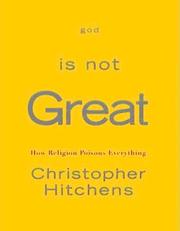 God Is Not GreatChristopher HitchensA blistering, erudite polemic that tears down dogma to make room for the awe-inspiring beauty of human reason.
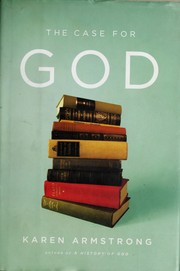 The Case for GodKaren ArmstrongA sweeping, contemplative journey through the history of human attempts to understand the divine.
 The Founding MythAndrew L SeidelA rigorous, analytical dismantling of historical misconceptions surrounding religion and the American founding.