Books › The Art of Deception

The Art of Deception
376 pages
A thrilling, eye-opening masterclass in human manipulation that will leave you questioning the security of every phone call and email.
What it feels like
Reading this book feels like sitting in a dimly lit room with a master illusionist who is finally revealing how all the tricks are done. It moves at a brisk, engaging clip, trading dry technical jargon for the suspenseful, narrative-driven pacing of a true-crime thriller. The mood is inherently paranoid yet utterly fascinating, wrapping the reader in a world where firewalls are useless against a simple, well-placed phone call. You will find yourself oscillating between awe at the sheer audacity of the grifts and a creeping dread about your own susceptibility to manipulation. It is a perfect fit for tech enthusiasts, psychology buffs, and anyone who loves a good heist story, offering a sobering but thrilling look at the human element of security.
- Mood
- suspenseful
- eye-opening
- paranoid
- intriguing
- Tone
- authoritative
- cautionary
- engaging
- pragmatic
- wry
- Pace
- brisk
- Themes
- psychology of manipulation · human vulnerability · illusion of security · art of the con
- The writing
- Conversational and narrative-driven, reading more like a collection of true-crime capers than a dry technical manual.
- The arc
- Transitions from thrilling fascination with clever exploits to a sobering, paranoid realization of everyday vulnerabilities, culminating in a desire for pragmatic defense.
- Who it's for
- Cybersecurity enthusiasts, true-crime fans, and anyone fascinated by the psychological mechanics of a successful con.
Content notes
- manipulation
- corporate espionage
About the book
The world's most infamous hacker offers an insider's view of the low-tech threats to high-tech security Kevin Mitnick's exploits as a cyber-desperado and fugitive form one of the most exhaustive FBI manhunts in history and have spawned dozens of articles, books, films, and documentaries. Since his release from federal prison, in 1998, Mitnick has turned his life around and established himself as one of the most sought-after computer security experts worldwide. Now, in The Art of Deception, the world's most notorious hacker gives new meaning to the old adage, "It takes a thief to catch a thief." Focusing on the human factors involved with information security, Mitnick explains why all the firewalls and encryption protocols in the world will never be enough to stop a savvy grifter intent on rifling a corporate database or an irate employee determined to crash a system. With the help of many fascinating true stories of successful attacks on business and government, he illustrates just how susceptible even the most locked-down information systems are to a slick con artist impersonating an IRS agent. Narrating from the points of view of both the attacker and the victims, he explains why each attack was so successful and how it could have been prevented in an engaging and highly readable style reminiscent of a true-crime novel. And, perhaps most importantly, Mitnick offers advice for preventing these types of social engineering hacks through security protocols, training programs, and manuals that address the human element of security.
Description from Open Library.
Books like The Art of Deception
See why they match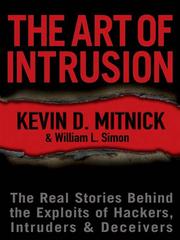 The Art of IntrusionKevin D. Mitnick and William L. SimonA gripping, true-crime tour through the clandestine world of hackers, where human psychology is the ultimate security flaw.
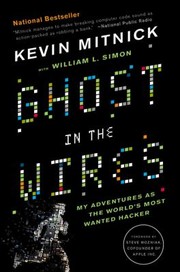 Ghost in the WiresKevin MitnickA breathless, high-stakes game of digital hide-and-seek that reads like a cyber-heist thriller.
 Social EngineeringChristopher HadnagyA fascinating, slightly unsettling dive into the psychological exploits that bypass the human firewall.
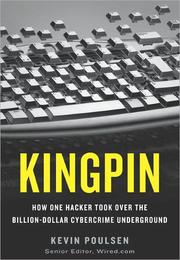 KingpinKevin PoulsenA breathless, real-life cyber-thriller that plunges you into the paranoid, high-stakes underworld of digital crime.
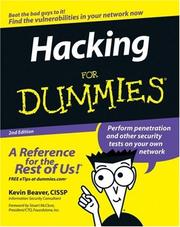 Hacking for DummiesKevin BeaverAn approachable, jargon-free guide that turns the intimidating world of cybersecurity into an empowering toolkit for digital self-defense.
 HackingJon EricksonA hands-on, deep-dive into the elegant, hidden mechanics of computer systems and the creative art of breaking them.