Books › Social Engineering

Social Engineering
382 pages
A fascinating, slightly unsettling dive into the psychological exploits that bypass the human firewall.
What it feels like
Reading this book feels like being handed the master keys to human psychology, only to realize how easily your own locks can be picked. It moves at a brisk, engaging clip, trading dry technical jargon for thrilling, real-world anecdotes of con artists, penetration testers, and master manipulators. The mood is inherently eye-opening with a distinct undercurrent of paranoia; you will never look at a friendly customer service call or a held door the same way again. The prose is pragmatic and accessible, breaking down complex psychological triggers into actionable insights. It is an absolute feast for cybersecurity professionals, psychology enthusiasts, and anyone captivated by the invisible strings of influence that govern our daily interactions, leaving you feeling both vulnerable and profoundly empowered.
- Mood
- eye-opening
- paranoid
- cerebral
- suspenseful
- Tone
- authoritative
- cautionary
- analytical
- pragmatic
- engaging
- Pace
- brisk
- Themes
- human vulnerability · psychology of deception · manipulation and influence · the illusion of security
- The writing
- Clear, accessible, and anecdote-driven, blending psychological theory with gritty real-world hacker tales.
- The arc
- Moves from naive curiosity to a heightened state of awareness and mild paranoia, ending in empowered vigilance.
- Who it's for
- Cybersecurity enthusiasts, psychology buffs, and anyone fascinated by con artists, persuasion, and the human element of hacking.
Content notes
- psychological manipulation
- corporate espionage
About the book
Examines what social engineering is, the methods used by hackers to gather information, and ways to prevent social engineering threats.
Description from Open Library.
Books like Social Engineering
See why they match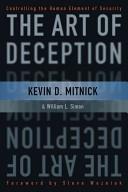 The Art of DeceptionKevin D. Mitnick and William L. SimonA thrilling, eye-opening masterclass in human manipulation that will leave you questioning the security of every phone call and email.
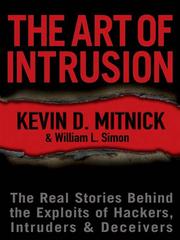 The Art of IntrusionKevin D. Mitnick and William L. SimonA gripping, true-crime tour through the clandestine world of hackers, where human psychology is the ultimate security flaw.
 We are AnonymousParmy OlsonA gripping, paranoid plunge into the chaotic chat rooms where teenage pranksters accidentally became global cyber-insurgents.
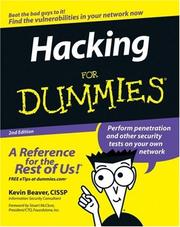 Hacking for DummiesKevin BeaverAn approachable, jargon-free guide that turns the intimidating world of cybersecurity into an empowering toolkit for digital self-defense.
 The basics of hacking and penetration testingEngebretson, PatrickA hands-on, demystifying guide that turns the intimidating world of cybersecurity into an accessible, logical playground.
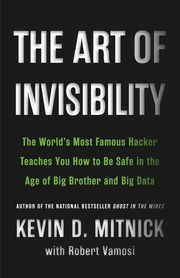 The Art of InvisibilityKevin MitnickA chilling wake-up call wrapped in a highly practical manual for reclaiming your digital autonomy.