Books › The Art of Invisibility
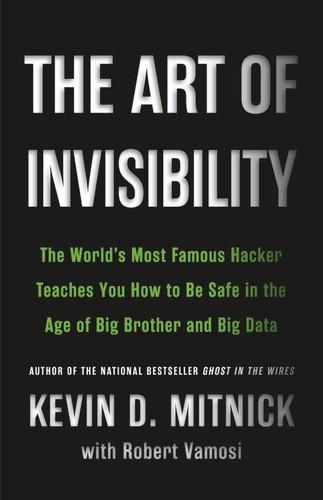
The Art of Invisibility
The World's Most Famous Hacker Teaches You How to Be Safe in the Age of Big Brother and Big Data
309 pages
A chilling wake-up call wrapped in a highly practical manual for reclaiming your digital autonomy.
What it feels like
Reading this book feels like sitting down with a reformed master thief who is pointing out every unlocked window and hidden camera in your house. The mood is undeniably paranoid at first, plunging you into the chilling reality of modern surveillance and data tracking. Yet, as the brisk, conversational prose unfolds, that initial dread transforms into a sense of agency. The author strips away dense technical jargon, replacing it with urgent, accessible advice that feels both authoritative and deeply pragmatic. It is an eye-opening experience that shifts your perspective on everyday technology, appealing to anyone who feels uneasy about their digital footprint and wants to reclaim their privacy in an increasingly watched world.
- Mood
- paranoid
- eye-opening
- empowering
- chilling
- Tone
- authoritative
- urgent
- pragmatic
- cautionary
- accessible
- Pace
- brisk
- Themes
- the illusion of privacy · digital self-defense · surveillance capitalism · reclaiming autonomy · technological vulnerability
- The writing
- Clear, direct, and conversational, stripping away technical jargon to deliver hard truths and practical instructions.
- The arc
- Begins with a chilling realization of total exposure and builds toward a sense of empowered, proactive defense.
- Who it's for
- Readers who feel a creeping anxiety about their digital footprint and want actionable advice from an insider.
Content notes
- surveillance
- identity theft
- cyberstalking
About the book
From the publisher: Kevin Mitnick, the world's most famous hacker, teaches you easy cloaking and counter-measures for citizens and consumers in the age of Big Brother and Big Data.
Like it or not, your every move is being watched and analyzed. Consumer's identities are being stolen, and a person's every step is being tracked and stored. What once might have been dismissed as paranoia is now a hard truth, and privacy is a luxury few can afford or understand.
In this explosive yet practical book, Kevin Mitnick illustrates what is happening without your knowledge--and he teaches you "the art of invisibility." Mitnick is the world's most famous--and formerly the Most Wanted--computer hacker. He has hacked into some of the country's most powerful and seemingly impenetrable agencies and companies, and at one point he was on a three-year run from the FBI. Now, though, Mitnick is reformed and is widely regarded as the expert on the subject of computer security. He knows exactly how vulnerabilities can be exploited and just what to do to prevent that from happening.
In THE ART OF INVISIBILITY Mitnick provides both online and real life tactics and inexpensive methods to protect you and your family, in easy step-by-step instructions. He even talks about more advanced "elite" techniques, which, if used properly, can maximize your privacy. Invisibility isn't just for superheroes--privacy is a power you deserve and need in this modern age.
Description from Open Library.
Books like The Art of Invisibility
See why they match Ghost in the WiresKevin MitnickA breathless, high-stakes game of digital hide-and-seek that reads like a cyber-heist thriller.
 Social EngineeringChristopher HadnagyA fascinating, slightly unsettling dive into the psychological exploits that bypass the human firewall.
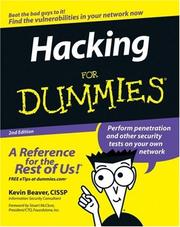 Hacking for DummiesKevin BeaverAn approachable, jargon-free guide that turns the intimidating world of cybersecurity into an empowering toolkit for digital self-defense.
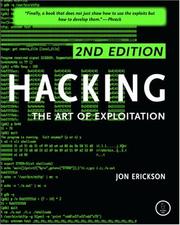 HackingJon EricksonA hands-on, deep-dive into the elegant, hidden mechanics of computer systems and the creative art of breaking them.
 KingpinKevin PoulsenA breathless, real-life cyber-thriller that plunges you into the paranoid, high-stakes underworld of digital crime.
 The Filter BubbleEli PariserAn eye-opening and slightly unsettling journey into the invisible algorithmic walls shaping our digital reality.