Books › The Art of Readable Code

The Art of Readable Code
206 pages
A friendly, pragmatic guide that turns the frustrating chore of deciphering bad code into a satisfying pursuit of clarity and craftsmanship.
What it feels like
Reading this book feels like sitting down with a senior developer who genuinely wants to see you succeed, rather than just showing off their own brilliance. The pace is brisk and highly digestible, moving swiftly through practical, bite-sized lessons that immediately click into place. It replaces the dread of untangling spaghetti code with a clear-headed, productive atmosphere, offering a series of satisfying aha moments as complex problems are distilled into elegant solutions. The prose is conversational and empathetic, acknowledging the universal pain of reading bad code (especially your own from six months ago). It is a deeply satisfying read for any programmer looking to elevate their daily craft, transforming the solitary act of typing into an exercise in empathy and communication.
- Mood
- clear-headed
- productive
- satisfying
- illuminating
- Tone
- pragmatic
- encouraging
- humorous
- direct
- empathetic
- Pace
- brisk
- Themes
- software craftsmanship · empathy for future readers · simplicity and elegance · reducing cognitive load · continuous improvement
- The writing
- Crisp, conversational, and highly visual, relying on concise explanations paired immediately with digestible examples.
- The arc
- Transitions from the shared frustration of untangling messy logic to the satisfying empowerment of crafting elegant, understandable solutions.
- Who it's for
- Programmers of all experience levels who want to elevate their craft and stop writing code that makes their colleagues groan.
About the book
As programmers, we've all seen source code that's so ugly and buggy it makes our brain ache. Over the past five years, authors Dustin Boswell and Trevor Foucher have analyzed hundreds of examples of "bad code" (much of it their own) to determine why they're bad and how they could be improved. Their conclusion? You need to write code that minimizes the time it would take someone else to understand it -- even if that someone else is you. This book focuses on basic principles and practical techniques you can apply every time you write code. Using easy-to-digest code examples from different languages, each chapter dives into a different aspect of coding, and demonstrates how you can make your code easy to understand. Simplify naming, commenting, and formatting with tips that apply to every line of code; Refine your program's loops, logic, and variables to reduce complexity and confusion; Attack problems at the function level, such as reorganizing blocks of code to do one task at a time; Write effective test code that is thorough and concise, as well as readable. - Publisher.
Description from Open Library.
Books like The Art of Readable Code
See why they match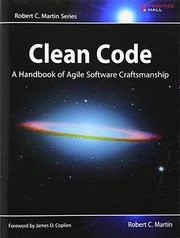 Clean CodeRobert C. MartinA tough-love mentorship session that transforms the chaotic art of programming into a disciplined, elegant craft.
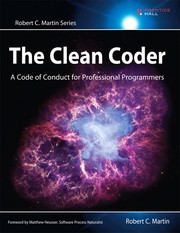 The clean coderRobert C. MartinA stern but deeply motivating mentorship session on what it means to be a true professional in the software industry.
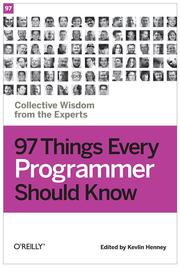 97 Things Every Programmer Should KnowKevlin HenneyA chorus of veteran mentors offering bite-sized, hard-won wisdom to elevate your daily coding practice.
 Beautiful CodeWilson, Greg; Oram, AndyA rare, intimate look over the shoulders of master craftsmen as they unravel complex problems with elegant solutions.
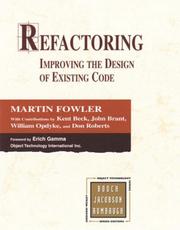 RefactoringMartin FowlerA pragmatic masterclass in transforming chaotic, tangled systems into elegant, maintainable architecture through small, deliberate steps.
 Code CompleteSteve McConnellA comprehensive, empowering mentorship in book form that turns the chaotic scramble of coding into a disciplined, deeply satisfying craft.