Books › The Art of Statistics

The Art of Statistics
448 pages
A clarifying, empowering guide that transforms the intimidating world of data into a fascinating tool for understanding reality.
What it feels like
Reading this feels like sitting down with a brilliant, patient professor who desperately wants you to see the hidden architecture of the world. The pace is steady and methodical, never rushing through complex ideas but instead unpacking them with pragmatic clarity. It cultivates a mood of intellectual curiosity and grounded empowerment, replacing the anxiety of numerical illiteracy with a satisfying sense of comprehension. The prose is remarkably lucid, favoring real-world stories over dry equations to illustrate the profound consequences of data. It is a deeply clarifying experience that shifts your perspective, making you feel sharper and more observant. This is the perfect companion for curious skeptics who want to navigate our data-drenched reality with confidence and a critical eye.
- Mood
- intellectual
- clarifying
- curious
- grounded
- Tone
- accessible
- pragmatic
- authoritative
- engaging
- wry
- Pace
- steady
- Themes
- data literacy · critical thinking · navigating uncertainty · real-world consequences · the power of numbers
- The writing
- Lucid and conversational, stripping away intimidating jargon to reveal the elegant logic beneath.
- The arc
- Moves from a state of numerical overwhelm to a grounded sense of analytical empowerment.
- Who it's for
- Curious skeptics and lifelong learners who want to confidently navigate a world saturated with data and headlines.
Content notes
- medical murder
- mortality statistics
- discussions of disease
About the book
Harold Shipman was Britain's most prolific convicted murderer, though he does not fit the archetypal profile of a serial killer.
Description from Open Library.
Books like The Art of Statistics
See why they match Portrait of a KillerCornwell, Patricia DanielsA dark, obsessive deep-dive into Victorian London that applies modern forensic science to history's most infamous cold case.
 The Suspicions of Mr. WhicherKate SummerscaleA grim, historical deep-dive into a shocking Victorian murder and the tragic toll it took on the man who tried to solve it.
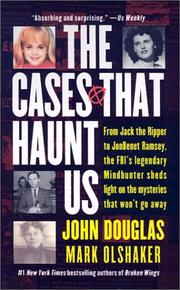 Cases That Haunt UsMark OlshakerA chilling, authoritative descent into the foundational cases of criminal psychology and the darkest realms of the human mind.
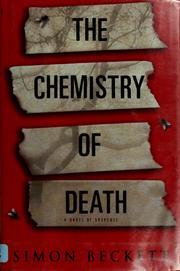 The Chemistry of DeathSimon BeckettA dread-soaked descent into rural paranoia where clinical forensic science meets the visceral horror of a killer's twisted mind.
 Dangerous PersonalitiesJoe Navarro and Toni Sciarra PoynterA sobering, expert-led psychological toolkit that turns vulnerability into vigilant empowerment.
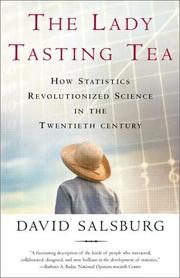 The Lady Tasting TeaDavid SalsburgAn illuminating journey through the intellectual breakthroughs and statistical theories that quietly reshaped modern scientific inquiry.