Books › The ayatollah begs to differ

The ayatollah begs to differ
the paradox of modern Iran
First published 2008 · 417 pages
A witty, insider's journey through the cultural and political paradoxes of modern Iran.
What it feels like
Reading this book feels like taking a rare, guided tour behind closed doors with a deeply knowledgeable and witty friend. The narrative moves at a steady, engaging pace, blending the sharp observation of journalism with the intimate reflections of a memoir. The mood is immersive and complex, inviting the reader to sit in fashionable Tehran living rooms, witness religious ceremonies, and navigate the paradoxes of a fiercely proud culture. The prose is stylish and nuanced, effortlessly translating deep-seated historical complexes and political intransigence into accessible, human moments. It is a perfect read for those who crave a sophisticated, insider’s perspective on a misunderstood nation, offering a rich tapestry of dual identity and cultural pride that lingers long after the final page.
- Mood
- immersive
- reflective
- complex
- intimate
- Tone
- witty
- insightful
- nuanced
- personal
- observational
- Pace
- steady
- Themes
- cultural paradoxes · dual identity · Persian heritage · insider perspectives · geopolitical misunderstandings
- The writing
- Witty and stylish, blending sharp journalistic observation with intimate personal reflection.
- The arc
- Moves from curiosity about a misunderstood nation to a deep, nuanced appreciation of its complex, paradoxical identity.
- Who it's for
- Readers seeking a nuanced, insider's view of Iranian culture and politics beyond typical Western media sound bites.
Content notes
- drug use
- self-flagellation
About the book
A revealing look at Iran by an American journalist with an insider's access behind Persian wallsThe grandson of an eminent ayatollah and the son of an Iranian diplomat, now an American citizen, Hooman Majd is, in a way, both 100 percent Iranian and 100 percent American, combining an insider's knowledge of how Iran works with a remarkable ability to explain its history and its quirks to Western readers. In The Ayatollah Begs to Differ, he paints a portrait of a country that is fiercely proud of its Persian heritage, mystified by its outsider status, and scornful of the idea that the United States can dictate how it should interact with the community of nations.With wit, style, and an unusual ability to get past the typical sound bite on Iran, Majd reveals the paradoxes inherent in the Iranian character which have baffled Americans for more than thirty years. Meeting with sartorially challenged government officials in the presidential palace; smoking opium with an addicted cleric, his family, and friends; drinking fine whiskey at parties in fashionable North Tehran; and gingerly self-flagellating in a celebration of Ashura, Majd takes readers on a rare tour of Iran and shares insights shaped by his complex heritage. He considers Iran as a Muslim country, as a Shiite country, and, perhaps above all, as a Persian one. Majd shows that as Shiites marked by an inferiority complex, and Persians marked by a superiority complex, Iranians are fiercely devoted to protecting their rights, a factor that has contributed to their intransigence over their nuclear programs. He points to the importance of the Persian view of privacy, arguing that the stability of the current regime owes much to the freedom Iranians have to behave as they wish behind "Persian walls." And with wry affection, Majd describes the Persian concept of ta'arouf, an exaggerated form of polite self-deprecation that may explain some of Iranian President Ahmadinejad's more bizarre public moments. With unforgettable portraits of Iranians, from government figures to women cab drivers to reform-minded Ayatollahs, Majd brings to life a country that is deeply religious yet highly cosmopolitan, authoritarian yet with democratic and reformist traditions--an Iran that is a more nuanced nemesis to the United States than it is typically portrayed to be.
Description from Open Library.
Books like The ayatollah begs to differ
See why they match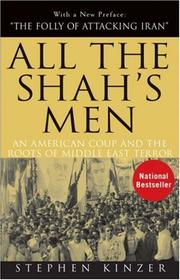 All the Shah's MenStephen KinzerA real-life geopolitical thriller that traces the tragic, shadowy roots of modern international conflict through a gripping narrative of espionage and hubris.
 Funny in FarsiFiroozeh DumasA warm, laugh-out-loud love letter to the absurdities of assimilation and the enduring eccentricities of family.
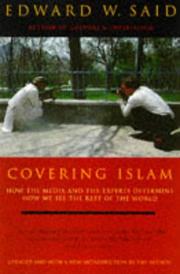 Covering IslamEdward W. SaidA sharp, analytical dismantling of how Western media and experts construct public perception of the Middle East.
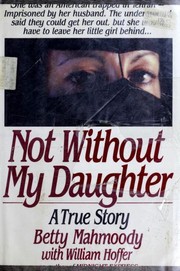 Not Without My DaughterBetty Mahmoody and William HofferA claustrophobic, pulse-pounding true story of a mother's desperate fight to reclaim her freedom and her child.
 Black waveKim GhattasA sweeping, character-driven narrative history that reads like a geopolitical thriller while mourning the loss of a more pluralistic world.
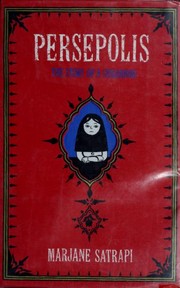 Persepolis 1 & 2Marjane SatrapiA fiercely candid and darkly funny graphic memoir about growing up rebellious in the shadow of revolution.